
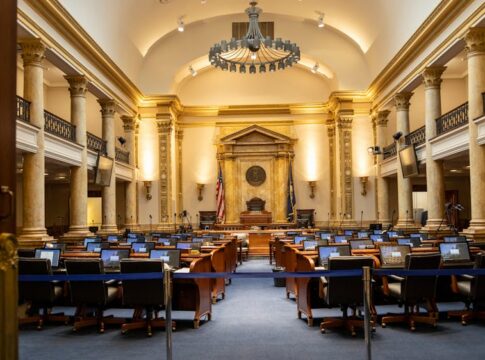
Emergency Legislation Moves Through Congress
The United States Congress has activated its emergency legislative procedures to address pressing national concerns, marking a critical moment in the federal government’s response to urgent situations. Emergency legislation, characterized by its expedited passage through both chambers of Congress, represents a departure from the typical legislative process that can take months or even years to complete.
Understanding Emergency Legislative Procedures
Emergency legislation differs significantly from regular bills in both scope and timeline. When Congress determines that circumstances require immediate action, lawmakers can bypass many of the procedural steps that normally slow the legislative process. These accelerated procedures allow for faster committee reviews, shortened debate periods, and rapid floor votes in both the House of Representatives and the Senate.
The decision to invoke emergency procedures typically stems from crises that pose immediate threats to national security, public health, economic stability, or public safety. These situations demand swift governmental action that cannot wait for the conventional legislative timeline. However, the use of such procedures remains subject to constitutional requirements and institutional rules that govern how Congress operates.
The Legislative Process Under Emergency Conditions
Under normal circumstances, legislation must navigate a complex pathway through Congress. Bills typically require multiple committee hearings, extensive debate, amendments, and separate votes in each chamber before reaching the president’s desk. This process, while thorough, can extend over several months or longer.
Emergency legislation streamlines this process through several mechanisms:
- Expedited committee consideration with reduced waiting periods
- Limited debate time on the floor of each chamber
- Restricted amendment opportunities to prevent delays
- Fast-track voting procedures that prioritize immediate passage
- Coordinated action between House and Senate leadership
Despite these accelerations, emergency legislation must still receive majority approval in both chambers and obtain the president’s signature to become law. The expedited nature of the process does not eliminate these fundamental constitutional requirements.
Historical Context and Precedent
Congress has invoked emergency legislative procedures throughout American history during times of national crisis. Notable examples include legislation passed following the September 11 attacks, responses to natural disasters, economic stimulus packages during financial crises, and public health measures during disease outbreaks.
The COVID-19 pandemic serves as a recent example of how emergency legislation functions under pressure. Congress passed multiple relief packages through expedited procedures, including economic stimulus measures, healthcare funding, and support for businesses and workers. These bills moved through Congress in days or weeks rather than the months typically required for legislation of comparable scope and cost.
Financial crises have also prompted emergency legislative action. The 2008 economic collapse led to rapid passage of the Troubled Asset Relief Program, demonstrating Congress’s ability to respond quickly when economic stability hangs in the balance. Similarly, responses to natural disasters such as hurricanes, wildfires, and floods have necessitated emergency appropriations that move swiftly through the legislative process.
Current Emergency Measures Under Consideration
The specific content of emergency legislation varies depending on the crisis at hand. Current proposals moving through Congress address multiple urgent concerns facing the nation. These measures typically include appropriations for immediate response efforts, policy changes to address underlying problems, and provisions for ongoing monitoring and adjustment.
Emergency legislation often contains several key components:
- Direct financial appropriations to fund immediate response activities
- Temporary or permanent changes to existing laws
- Authorization for executive branch agencies to take specific actions
- Oversight and reporting requirements to ensure accountability
- Sunset provisions that limit the duration of certain emergency powers
Bipartisan Cooperation and Political Challenges
Emergency situations often foster bipartisan cooperation, as lawmakers from both parties recognize the urgency of addressing immediate threats. However, political divisions can still complicate even emergency legislation. Disagreements over specific provisions, concerns about long-term implications, and debates over fiscal responsibility may slow passage despite general agreement about the need for action.
Congressional leadership plays a crucial role in navigating these challenges. House and Senate leaders must build coalitions, negotiate compromises, and maintain momentum to ensure timely passage. The success of emergency legislation often depends on their ability to balance competing interests while maintaining focus on urgent priorities.
Constitutional and Oversight Considerations
The use of emergency legislative procedures raises important questions about congressional oversight and constitutional balance. Critics sometimes express concern that expedited processes may limit thorough review and debate, potentially leading to unintended consequences or inadequate consideration of long-term impacts.
To address these concerns, emergency legislation typically includes enhanced oversight provisions. These measures require regular reporting to Congress, establish sunset dates for temporary authorities, and create mechanisms for ongoing review and adjustment. Such provisions help ensure that emergency powers remain proportional to actual threats and do not extend beyond necessary timeframes.
Impact on Federal Agencies and Implementation
Once emergency legislation becomes law, federal agencies must quickly implement new programs and policies. This rapid implementation phase presents its own challenges, as agencies must interpret legislative language, develop regulations, allocate resources, and execute programs under compressed timelines.
The effectiveness of emergency legislation ultimately depends on successful implementation. Congressional oversight continues during this phase, with committees monitoring agency actions and holding hearings to ensure proper execution of legislative intent.
Looking Forward
As emergency legislation moves through Congress, its passage will shape the federal government’s response to current challenges. The outcome will reflect not only the urgency of present circumstances but also the ability of the legislative branch to function effectively under pressure. The balance between speed and deliberation remains central to ensuring that emergency measures serve the public interest while respecting constitutional principles and democratic processes.