
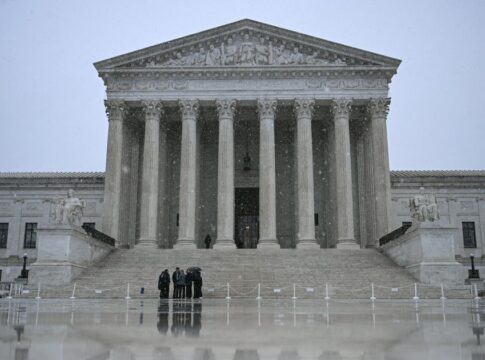
The Supreme Court heard two hours of sharp arguments over whether Mississippi and 13 other states can count mail ballots that arrive after Election Day, a case that could reshape voting rules just months before the November midterm elections.
Federal Law Versus State Authority
The case, Watson v. RNC, centers on Mississippi’s five-day grace period allowing mail ballots postmarked by Election Day to be counted if they arrive late. The Republican National Committee argues this violates federal statutes from the 1800s establishing Election Day as the Tuesday after the first Monday in November. The Trump administration joined the challenge, with Solicitor General D. John Sauer urging justices to strike down grace periods entirely. Mississippi officials counter that states hold constitutional authority to manage their own election procedures for federal races.
Conservative Justices Samuel Alito and Clarence Thomas expressed skepticism toward state grace periods during arguments. However, the three liberal justices defended the measures as legitimate exercises of state power. Chief Justice John Roberts and Justice Amy Coney Barrett raised concerns that invalidating late-arrival deadlines could threaten early voting systems nationwide. Justice Elena Kagan pressed Republican lawyers on whether their logic would require completing all election tasks, including voter qualification reviews, on Election Day itself.
Fourteen States Face Uncertainty
Fourteen states plus the District of Columbia currently operate grace periods for ballots postmarked by Election Day. An additional 29 states allow military and overseas ballots to arrive late. The legal challenge gained momentum after the Fifth Circuit Court of Appeals reversed a lower court decision, ruling that federal Election Day statutes require ballots to be both cast and received by that date. Four states responded by eliminating their grace periods last year: Kansas, North Dakota, Ohio, and Utah now demand receipt by Election Day.
What This Means
President Trump has advocated ending most mail voting, making this Supreme Court decision particularly significant for Republican election strategy. The ruling will arrive months before midterm voting begins, potentially forcing rapid changes to established procedures in multiple states. All 50 states require ballots to be marked by Election Day, but the court must now decide whether federal law permits states to accept late arrivals. The outcome could affect millions of votes, particularly from military personnel and voters in states with unreliable postal service.