
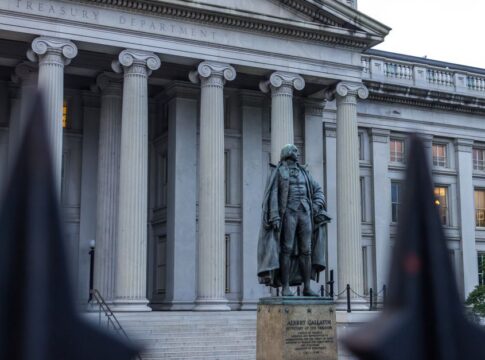
The Justice Department activated a rarely used court system designed specifically for deporting suspected alien terrorists, marking the first time this specialized legal mechanism has been deployed since its creation following the September 11 attacks.
Untested Legal System Now Operational
The alien terrorist removal court represents a distinct judicial pathway separate from standard immigration proceedings. Congress established this specialized court system to handle cases involving non-citizens suspected of terrorist activities or connections. The court’s activation comes after remaining dormant for more than two decades, raising questions about what prompted officials to implement this long-unused deportation mechanism now. Federal authorities have not disclosed how many cases will be processed through this system or identified specific individuals targeted for removal proceedings.
Legal experts note the court operates under different procedural rules than conventional immigration courts. The specialized tribunal allows the government to use classified evidence that defendants and their attorneys cannot fully access or challenge. This structure has generated constitutional concerns from civil liberties organizations who argue the limited transparency undermines due process protections. Supporters counter that national security considerations justify the heightened secrecy measures when dealing with potential terrorist threats on American soil.
Constitutional Questions Emerge
The court’s first operational deployment intensifies ongoing debates about balancing national security imperatives against constitutional rights. Critics warn that allowing deportation proceedings based on classified evidence sets a dangerous precedent that could expand beyond terrorism cases. Defense attorneys express concern about representing clients when core evidence remains hidden from review. The specialized court’s judges receive security clearances to examine classified materials, but defendants face removal without seeing the full case against them.
What This Means
The activation signals a shift in how federal authorities approach suspected terrorist deportations after years of relying on conventional immigration enforcement. Whether this specialized court becomes a regular tool or handles only exceptional cases remains unclear. The coming months will test whether the system can withstand legal challenges while processing its first deportation cases. Civil liberties groups have already indicated plans to monitor proceedings closely and challenge any constitutional violations. The outcome could reshape deportation procedures for suspected terrorists and potentially influence broader immigration enforcement strategies nationwide.