
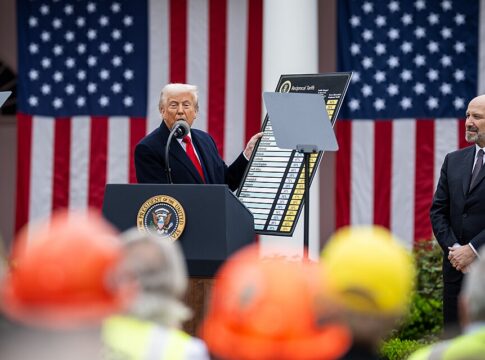
President Donald Trump announced a sweeping tariff plan designed to force pharmaceutical manufacturers to relocate production facilities to American soil, setting a four-year timeline that could transform the generic drug market and reshape prescription costs for millions of Americans.
Timeline for Pharmaceutical Industry Transformation
Trump detailed the policy on Truth Social, establishing a three-phase approach beginning August 1, 2026. Generic drugs imported into the United States will maintain zero tariffs for two years, creating a grace period for companies to establish domestic operations. After this window closes, tariffs will spike to 100 percent for one year, then jump again to 200 percent for all subsequent imports. The president framed the escalating tariff structure as necessary protection for American citizens and domestic manufacturing.
The stakes are substantial for American consumers. Generic medications account for 90 percent of all prescriptions filled in the United States, according to the Food and Drug Administration. India manufactures half of these generic drugs, while China dominates production of common over-the-counter medications, supplying 95 percent of imported ibuprofen and 70 percent of imported acetaminophen.
Industry Response and Market Impact
White House spokesman Kush Desai pointed to previous administration successes in reshoring pharmaceutical production. He cited most-favored-nations agreements and Section 232 tariff programs for branded drugs as evidence the administration can successfully pressure global drugmakers to relocate manufacturing to American facilities. Desai emphasized that pharmaceutical facilities are now being constructed across the United States at unprecedented levels.
Industry experts warned of two potential outcomes. Manufacturers may absorb tariff costs initially but eventually pass increases to consumers, though the relatively low baseline prices of generic drugs could limit the financial impact on patients. Alternatively, some companies might abandon the American market entirely rather than relocate expensive manufacturing operations, potentially creating drug shortages for essential medications.
Strategic Implications for Healthcare
The policy represents a calculated gamble on economic nationalism versus global supply chains. The two-year grace period gives pharmaceutical companies time to evaluate construction costs, regulatory requirements, and workforce availability for American facilities. However, the dramatic tariff increases create significant financial pressure, forcing corporate decisions between market access and manufacturing expenses. The administration’s strategy assumes that access to the massive American pharmaceutical market will prove more valuable than maintaining overseas production facilities, ultimately bringing jobs and critical manufacturing capability back to domestic soil.