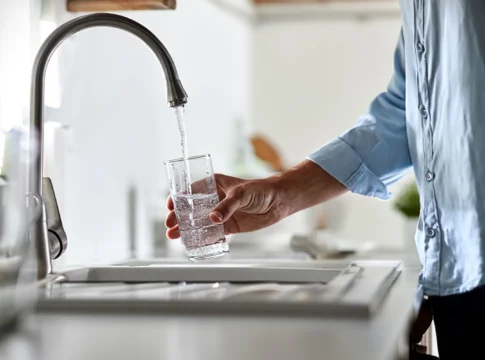
The Environmental Protection Agency announced Thursday it will add microplastics and pharmaceutical residues to its official drinking water contaminant list, marking the first federal recognition of these substances as potential threats to America’s water supply.
Federal Agencies Launch Coordinated Response
EPA Administrator Lee Zeldin described the decision as a direct response to millions of Americans demanding transparency about their drinking water. The Department of Health and Human Services simultaneously announced a $144 million allocation to STOMP, the Systematic Targeting of Microplastics program. Health Secretary Robert F. Kennedy Jr. called the joint effort a turning point, emphasizing three priorities: identifying what enters the body, determining health impacts, and developing removal strategies.
The additions fulfill requirements under the Safe Drinking Water Act, which mandates the EPA update its Contaminant Candidates list every five years. Microplastics shed from food packaging and water bottles, while pharmaceuticals enter water systems through human waste and improper disposal. Dozens of studies document microplastics causing liver damage, glucose problems, and gut microbiome disruption. The updated list gives local regulators enhanced tracking tools for water quality monitoring.
Critics Question Regulatory Follow-Through
Environmental advocates expressed skepticism about whether the announcement will produce meaningful action. Earthjustice attorney Katherine O’Brien told NPR the move might represent theater designed to satisfy public concerns without requiring actual regulatory enforcement. She noted that numerous toxic contaminants have remained on previous lists for years without prompting substantive policy changes. The EPA requested last fall that a federal court reverse its own PFAS drinking water regulations.
What This Means for Water Safety
The agency announced last month it would take no regulatory action on nine chemicals from the previous contaminant list. Adding substances to the candidate list represents an initial step in a longer regulatory process, but does not automatically trigger new safety standards or removal requirements. Sherri Mason, a Gannon University researcher studying plastic pollution in freshwater, acknowledged the limitations while calling the designation an important first step. The announcement affects Americans nationwide who rely on public water systems for daily consumption.