
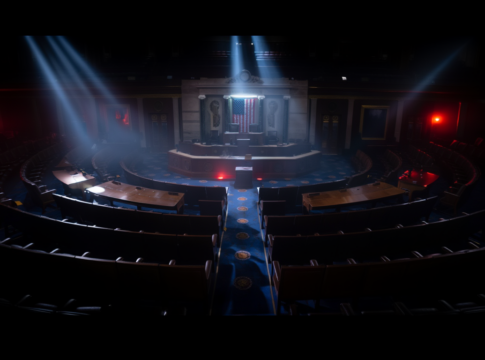
House Speaker Mike Johnson pledged Sunday that Congress will reopen most federal agencies, as a partial government shutdown stretches into its second week following failed negotiations over Department of Homeland Security funding.
Congressional Impasse Over Border Security
The Louisiana Republican told NBC’s Meet the Press he remains confident about securing enough votes to pass spending legislation, despite operating with a razor-thin House majority. Johnson cited logistical challenges preventing lawmakers from returning to Capitol Hill from their districts as the primary obstacle to an immediate resolution. The shutdown began after Congress failed to approve a spending package that included controversial DHS funding measures.
The Senate previously passed legislation funding government agencies through September while extending DHS spending for just two weeks. This shorter timeframe would allow lawmakers to negotiate ICE reforms demanded by Democrats following recent controversial incidents. Johnson confirmed his intention to fund all federal agencies except Homeland Security, then pursue good-faith negotiations during the two-week extension period.
Political Mathematics and Weather Challenges
Johnson’s maneuvering room continues shrinking as Democratic Representative-elect Christian Menefee prepares for swearing-in after winning the Texas runoff election. Once seated, Republicans will hold such a narrow House advantage that Johnson can afford to lose only one GOP member on party-line votes. Weather-related travel disruptions have complicated congressional scheduling, mirroring the massive snowstorm that canceled votes leading up to the shutdown deadline.
Immigration Incident Sparks Crisis
The funding crisis intensified following the fatal shooting of 37-year-old Alex Pretti by immigration officials in Minneapolis on January 24. This incident enraged Democrats and several Republicans, prompting Senate Democrats to demand removing DHS funding from the larger spending package for separate renegotiation with enhanced oversight provisions. The controversy transformed routine spending negotiations into a broader debate over immigration enforcement practices and federal agency accountability.