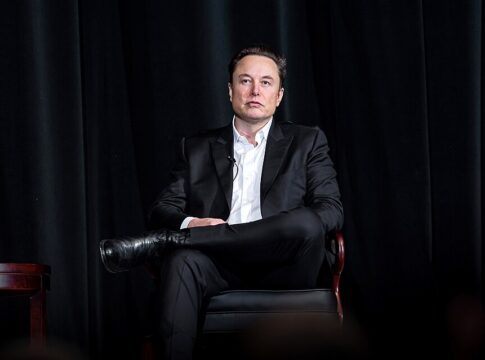
Elon Musk’s artificial intelligence company has filed a federal lawsuit challenging Minnesota’s new law criminalizing the use of AI to create non-consensual nude images, setting up a constitutional showdown over free speech and digital privacy just days before the statute takes effect.
Constitutional Challenge Filed
SpaceXAI, formerly known as xAI and now a subsidiary of SpaceX, filed suit in U.S. District Court in Minnesota arguing the law represents an unconstitutional restriction on expression. The company claims the statute “imposes an overbroad, content-based ban on free speech and the tools of visual expression in a clumsy attempt to prohibit nudification.” The timing proves significant as the law officially takes effect August 1, giving courts minimal time to consider emergency relief.
The lawsuit highlights an unusual irony. SpaceXAI maintains it already prohibits users from generating nude or sexualized images without consent and has previously sued individuals who circumvent its technological safeguards. Despite these existing company policies, the firm argues the Minnesota statute oversteps constitutional boundaries by mandating government control over digital tools and content.
Sweeping Legislation With Bipartisan Support
Minnesota’s legislature approved the measure with overwhelming bipartisan margins during the 2026 session. The House passed the bill 132-1, while the Senate vote stood 65-0, reflecting rare political consensus on protecting citizens from AI-generated exploitation. State Senator Erin Maye Quade of Apple Valley, who authored the legislation alongside both Democratic and Republican colleagues, explained the law simply requires platforms to disable nudification capabilities by default.
The statute creates substantial financial penalties for violations. Anyone who accesses, downloads, or uses websites or applications to create nudified images faces potential lawsuits with damages starting at $500,000 per unlawful access. The law also bans advertising or promoting products capable of generating such content, establishing enforcement mechanisms beyond individual user actions.
National Context and Legal Landscape
Minnesota’s aggressive approach goes further than federal efforts. Congress passed the Take It Down Act in 2025, which criminalized non-consensual publication of intimate images including AI-generated deepfakes. However, federal lawmakers stopped short of penalizing the creation of such content, leaving a regulatory gap Minnesota now attempts to fill. Victoria Pickering from the Minnesota Coalition Against Sexual Assault defended the legislation as necessary protection against emerging technology that weaponizes personal images without consent. The legal battle will test whether states can impose stricter controls on AI capabilities than technology companies voluntarily implement or federal law requires.
I am hoping more states get involved with AI because of all the SCAMMING that is going on, especially using government department names and government employees names.