
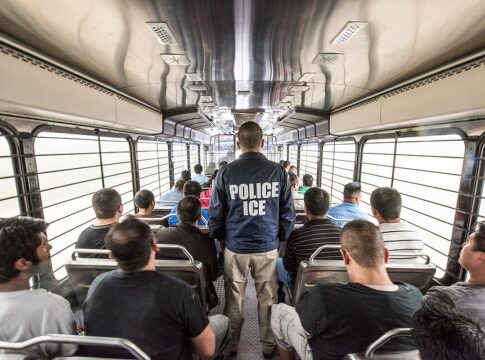
A federal judge intervened Monday to prevent Immigration and Customs Enforcement from deporting a key witness to a deadly officer-involved shooting in Houston, raising questions about witness protection and law enforcement accountability in immigration enforcement operations.
Court Issues Emergency Order
U.S. District Judge Keith Ellison issued an order blocking ICE from deporting Jose Trinidad Rojas Pliego without judicial approval. The judge also prohibited ICE from transferring Rojas Pliego outside the Southern District of Texas. Rojas Pliego faces deportation proceedings but remains a critical witness to the July 7 shooting death of a construction worker by an ICE officer. He was one of three construction workers inside the work van when the fatal shooting occurred.
The shooting victim’s brother also remains in ICE custody as a witness. Both men were detained following the incident that left one worker dead and has sparked controversy over ICE enforcement tactics and accountability. The case has drawn scrutiny from local prosecutors and civil rights advocates concerned about witness intimidation through deportation.
Drug Allegations Spark Dispute
The FBI submitted photos to federal court last week suggesting methamphetamine may have been inside the work van. Harris County District Attorney Sean Teare disputed this allegation. An attorney representing the shooting victim’s brother said the material was likely salt used in a homemade electrolyte mixture to combat Houston’s summer heat. The conflicting interpretations have fueled debate about the justification for the deadly force used during the incident.
Teare told reporters he submitted paperwork to obtain U visas for the three detained witnesses. These special visas protect crime victims from deportation when they cooperate with law enforcement investigations. The visa process typically takes months, leaving witnesses vulnerable to removal during active investigations. Federal law allows prosecutors to request these protections, but approval remains at the discretion of immigration authorities.
Accountability Questions Mount
The judge’s intervention highlights tensions between immigration enforcement and criminal investigations. When witnesses face deportation, prosecutors lose testimony needed to determine whether officers acted lawfully. The case also raises constitutional concerns about due process when the government controls access to witnesses through detention and deportation powers. Legal experts say the judge’s order recognizes that justice requires witness availability, regardless of immigration status. The shooting remains under investigation by multiple agencies, with no charges filed against any ICE personnel involved in the incident.
Sources
Cbsnews: Judge temporarily blocks officials from deporting witness of deadly Houston ICE shooting