
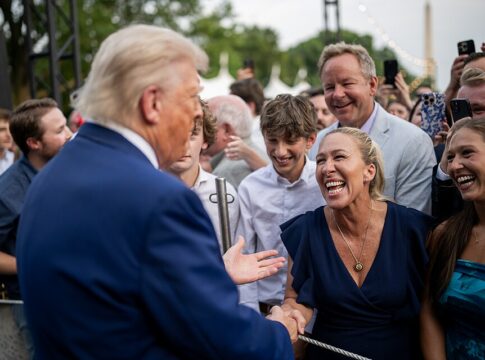
Marjorie Taylor Greene disclosed that President Donald Trump personally called her to express concern about protecting friends named in the Jeffrey Epstein files, calling the conversation uncomfortable and revealing deep divisions over transparency within the administration.
Uncomfortable Presidential Phone Call Disclosed
During an appearance on CNN’s The Source with Kaitlan Collins, Greene recounted a direct phone call from Trump before the Epstein files release. The president told her that his friends would get hurt if the documents became public. Greene characterized this conversation as unforgettable and deeply troubling, marking a significant break between the former congresswoman and the president she once staunchly supported. The revelation suggests internal White House resistance to releasing sensitive documents related to the late convicted sex offender.
Greene did not mince words when describing her reaction to the administration’s handling of the matter. She called the resistance to transparency “absolutely ridiculous and unforgivable,” arguing that Trump officials demonstrated they “don’t deserve the American people’s trust.” Her criticism extended to labeling those who resisted releasing the files as traitors to the American people who sought to protect pedophiles and rapists among the elite class.
High-Level Meeting on Epstein Documents
According to claims from a new book referenced during the CNN interview, top Trump administration officials convened in the White House Situation Room to discuss the Epstein files. Vice President J.D. Vance and Chief of Staff Susie Wiles reportedly attended this sensitive meeting. When Collins pressed Greene on whether she considered Trump himself a traitor based on his resistance to releasing the documents, Greene responded that Trump campaigned on draining the swamp but became the very person fighting to keep the Epstein files sealed.
Greene stood with only a handful of House Republicans who pushed legislation compelling the Justice Department to release the Epstein documents. She emphasized the irony that Trump later called her a traitor for fighting to release the files he initially opposed. The hardline conservative noted the president’s dramatic reversal from his campaign promises of transparency to actively resisting disclosure of information about powerful individuals connected to Epstein.
Mounting Pressure Forces Release
Despite initial opposition, Trump eventually signed legislation into law mandating release of the Epstein files after facing substantial pressure from Congress. The Justice Department has since released millions of documents relating to Jeffrey Epstein and his network of connections. Trump himself has not faced any criminal charges related to Epstein or the information contained in the files. Greene’s public criticism represents a remarkable shift for a former ally and highlights ongoing tensions between transparency advocates and those seeking to protect reputations of individuals potentially named in the documents.