
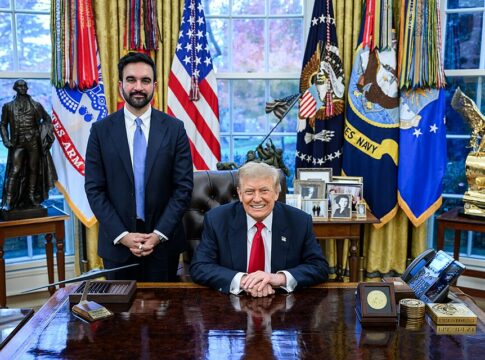
New York City Mayor Zohran Mamdani has begun reaching out to the business community after facing widespread criticism for his controversial ‘Tax the Rich’ video, marking a dramatic shift in his approach to the city’s economic leadership just months into his administration.
From Confrontation to Conciliation
Mamdani, who rode to electoral victory on a populist platform targeting wealthy New Yorkers, has recently appeared at multiple business events alongside corporate executives he previously criticized. The mayor’s pivot comes as the city faces mounting fiscal pressures and concerns from the business community about tax policies that could drive companies and high-income residents out of New York. His divisive campaign video, which featured pointed attacks on wealthy business owners, generated substantial backlash from the very community now essential to the city’s economic recovery.
The mayor’s office has confirmed attendance at several private meetings with business leaders, a stark departure from his campaign rhetoric. Sources familiar with the discussions indicate Mamdani is seeking to repair relationships damaged during his aggressive campaign season, when he positioned himself as an uncompromising advocate for wealth redistribution and higher taxes on top earners.
Political Reality Sets In
The shift reflects the practical challenges facing any New York mayor who must balance progressive ideals with economic realities. Business groups have warned that aggressive tax policies could accelerate the departure of major corporations and wealthy residents, potentially devastating the city’s tax base. Multiple Fortune 500 companies have already announced relocations or expansions in other states, citing New York’s high cost of doing business and uncertain political climate under the new administration.
Critics argue the mayor’s reversal represents a betrayal of campaign promises, while supporters suggest it demonstrates pragmatic leadership. The tension highlights the ongoing challenge progressive politicians face when campaign promises meet governing responsibilities in a city dependent on its financial sector and high-income taxpayers.
What This Means
Mamdani’s outreach to business leaders signals recognition that New York’s economic health requires cooperation between government and the private sector. Whether this represents genuine policy evolution or political calculation remains unclear, but the mayor’s willingness to engage with former adversaries may prove critical to maintaining New York’s competitive position. The coming months will reveal whether this détente produces substantive policy changes or merely cosmetic improvements in city-business relations during a pivotal economic period.