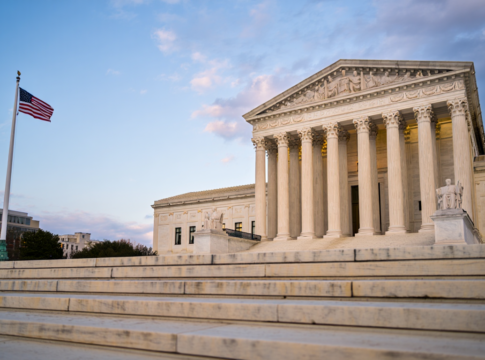
The Supreme Court agreed Monday to hear a religious freedom challenge that could reshape how states administer taxpayer-funded education programs, as Catholic preschools in Colorado fight a nondiscrimination rule they say violates their constitutional rights.
Catholic Schools Excluded From Universal Program
The Archdiocese of Denver operates 34 preschools but remains blocked from Colorado’s statewide taxpayer-funded preschool program. The state requires participating schools to accept all children regardless of the sexual orientation and gender identity of the child or parents. Catholic doctrine does not recognize same-sex relationships or transgender status, creating what the archdiocese argues is an unconstitutional barrier. Two parishes in Littleton and Lakewood joined the lawsuit alongside Catholic parents Daniel and Lisa Sheley, who have five children.
The Sheleys said they simply want to choose the best preschool for their children without government punishment for their faith. Colorado voters approved the universal preschool program through a 2020 referendum, promising taxpayer funds for parents to send their children to their preferred preschool. The Trump administration filed a brief supporting the Catholic entities, urging the court to take the case.
Legal Battle Centers on Religious Exemptions
The archdiocese’s lawyers argue Colorado’s program already contains numerous exemptions, allowing schools to prioritize children with disabilities and those from low-income families. These existing loopholes mean the nondiscrimination provision does not apply equally to everyone, which should require religious exemptions under the 1990 Supreme Court ruling Employment Division v. Smith. Colorado counters that only the nondiscrimination provision itself matters, which contains no exemptions.
Conservative Court Expected to Side With Religious Rights
The archdiocese sued in 2023 but lost in both federal district court and the Denver-based 10th U.S. Circuit Court of Appeals. The Supreme Court’s 6-3 conservative majority has consistently backed religious rights claims in recent years, issuing multiple rulings that rolled back restrictions on religious entities participating in government programs. Colorado Attorney General Phil Weiser, a Democrat defending the policy, declined to comment through a spokesman. The case represents the latest test of whether religious organizations can access public funding while maintaining doctrine-based admission policies.