
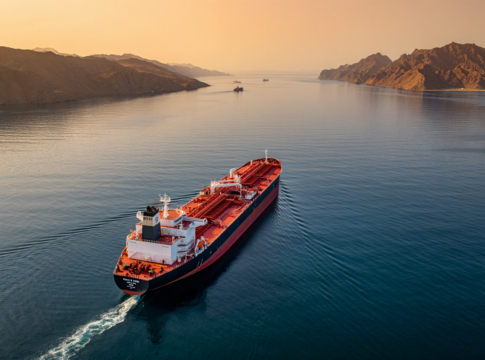
A Chinese oil tanker sailed through the strategically vital Strait of Hormuz despite direct opposition from President Trump, marking a significant challenge to American authority in one of the world’s most important shipping chokepoints and escalating tensions between Washington and Beijing over Middle Eastern energy routes.
Strategic Waterway Becomes Flashpoint
The Chinese-flagged vessel transited the narrow strait connecting the Persian Gulf to the Gulf of Oman, ignoring warnings from the Trump administration. The Strait of Hormuz serves as the passage for approximately one-fifth of global oil supplies, making it critical to international energy markets. Trump administration officials had reportedly communicated opposition to the transit, though specific details of those communications remain unclear. The passage demonstrates China’s willingness to challenge American influence in strategically important maritime regions.
Vice President JD Vance reportedly participated in discussions regarding the Chinese vessel’s movements, indicating the matter reached the highest levels of American government. The incident raises questions about enforcement mechanisms available to the United States when foreign vessels operate in international waters against American preferences. Navy assets in the region monitored the tanker’s passage but took no action to impede its progress through the strait.
Iran Connection Complicates Situation
The transit occurs against a backdrop of complex relationships involving Iran, which controls the northern coastline of the Strait of Hormuz. Iranian territorial waters extend into portions of the shipping channel, creating legal complexities regarding freedom of navigation and national sovereignty. China maintains significant economic ties with Iran, including substantial oil purchases that have continued despite American sanctions. The tanker’s passage may represent coordination between Beijing and Tehran to undermine American pressure campaigns in the region.
What This Means for American Influence
This incident highlights growing challenges to American authority over critical global trade routes. China’s expanding naval capabilities and willingness to operate independently of American preferences signal a shift in maritime power dynamics. The Strait of Hormuz has long been considered an area where American naval dominance ensured freedom of navigation aligned with Washington’s interests. Beijing’s direct challenge through this tanker passage suggests confidence in protecting its commercial interests regardless of American opposition. Energy security and freedom of navigation will likely remain contentious issues between the two powers throughout Trump’s administration.