
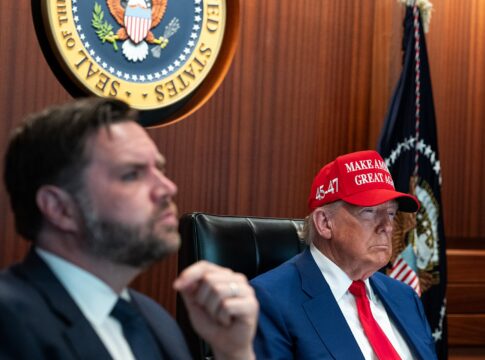
President Trump has launched an aggressive investigation into the leak of classified military plans targeting Iran, with administration officials warning that those responsible could face treason charges in what has become one of the most serious national security breaches of his current term.
White House Launches Treason Investigation
The Trump administration confirmed it is hunting down individuals who leaked sensitive Iran military operation details to the press. Sources close to the investigation revealed that the President personally authored a memo describing the leak as potential treason, directing the Department of Justice and intelligence agencies to identify and prosecute those responsible. The leaked documents reportedly contained tactical plans and operational timelines for potential military strikes against Iranian nuclear facilities and military installations.
National security experts have described the breach as extraordinarily damaging to American military readiness and diplomatic positioning in the Middle East. The exposure of operational plans gives adversaries critical intelligence about U.S. capabilities, timing, and strategic priorities. Former Pentagon officials noted that such leaks compromise years of intelligence gathering and operational planning while potentially endangering American military personnel and allies in the region.
Israel Controversy Compounds Crisis
Compounding the administration’s challenges, revelations about coordination with Israel regarding the Iran plans have sparked intense controversy among lawmakers and foreign policy analysts. Details suggest Israeli intelligence played a significant role in developing the operational framework, raising questions about the extent of foreign involvement in American military planning. Congressional leaders from both parties have demanded classified briefings to understand the full scope of international coordination and information sharing protocols.
Constitutional and Legal Implications
Legal scholars are divided on whether the leak constitutes treason under the Constitution’s strict definition, which requires levying war against the United States or giving aid and comfort to enemies. However, the Espionage Act provides alternative prosecution pathways for unauthorized disclosure of national defense information. The investigation has revived debates about leak prosecutions, press freedom, and the balance between government transparency and legitimate national security secrecy. Civil liberties advocates warn against overreach while security hawks demand accountability for what they characterize as a direct threat to American military operations and personnel safety in an increasingly volatile Middle East.