
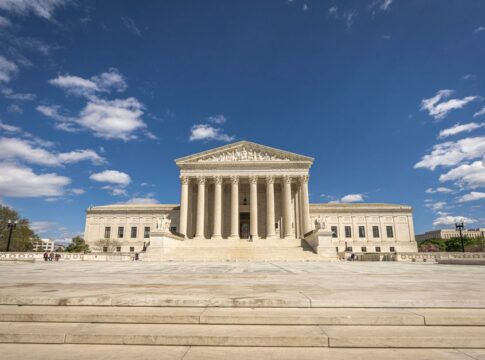
Supreme Court Jurisdiction: What Cases It Can Hear
Supreme Court Jurisdiction: What Cases It Can Hear
By Newsroom, National Desk — Published August 4, 2026
Table of Contents
- Original Versus Appellate Jurisdiction: The Two Paths to the Court
- Subject Matter Boundaries: What Types of Cases Qualify
- Mandatory Versus Discretionary Review: When the Court Must Act
- State Court Decisions: When Federal Review Applies
- Practical Constraints and Strategic Considerations
- Frequently Asked Questions
The Supreme Court stands at the apex of the American political system, but it doesn’t have unlimited power to decide any legal dispute that crosses its path. Understanding supreme court jurisdiction—the legal authority that determines which cases the Court can hear—is essential for anyone following United States current events or trying to make sense of federal government news. The Constitution and federal statutes carefully define what the Court can and cannot touch, creating a framework that shapes everything from US domestic policy battles to the resolution of disputes between states.
The Court’s jurisdiction isn’t just a technical legal matter. It determines which constitutional questions get answered, which federal laws get reviewed, and ultimately which issues become part of the national conversation about American political system reform and US national affairs.
Original Versus Appellate Jurisdiction: The Two Paths to the Court
Supreme court jurisdiction comes in two distinct forms, and the difference matters enormously. Original jurisdiction means the Court hears a case first, acting as a trial court. Appellate jurisdiction means the Court reviews decisions made by lower courts.
The Constitution grants the Supreme Court original jurisdiction in a narrow set of cases: disputes between states, cases involving ambassadors and other foreign officials, and controversies where a state is a party. These cases are rare. When two states fight over water rights along a shared river, or when a boundary dispute erupts between neighboring states, the Supreme Court may exercise this original authority. But original jurisdiction cases represent a tiny fraction of the Court’s docket—typically just one or two per term.
The vast majority of the Court’s work involves appellate jurisdiction. Here the justices review decisions from federal appeals courts and state supreme courts, examining whether lower courts correctly applied the law. Congress has shaped the contours of this appellate authority through legislation, particularly the Judiciary Act of 1789 and subsequent amendments. This legislative role means that federal policy and legislation can influence what types of cases reach the Court, making Congressional developments relevant to understanding the Court’s reach.
The Certiorari Process: How Most Cases Arrive
When lawyers want the Supreme Court to review a case, they file a petition for a writ of certiorari—essentially asking the Court to exercise its discretion to hear the appeal. The Court receives thousands of these petitions each year but accepts only a small percentage. Four justices must vote to grant certiorari for a case to proceed.
This discretionary power gives the Court enormous control over its agenda. The justices typically choose cases that involve significant constitutional questions, conflicts between different circuit courts of appeals, or issues of national importance. A dispute about immigration and border policy that has divided lower courts stands a better chance than a routine contract disagreement, even if both involve federal law.
Subject Matter Boundaries: What Types of Cases Qualify
Not every legal question can become a Supreme Court case. Federal courts, including the Supreme Court, can only hear cases involving federal questions or diversity jurisdiction. A federal question exists when a case turns on the interpretation of the Constitution, federal statutes, or treaties. Diversity jurisdiction covers disputes between citizens of different states where the amount in controversy exceeds a statutory threshold.
State courts handle the overwhelming majority of legal disputes in America—criminal prosecutions, divorces, contract disputes, personal injury claims, and property matters that involve only state law. The Supreme Court generally cannot review these cases unless they raise a federal constitutional issue. A criminal defendant convicted in state court might appeal to the Supreme Court if they argue their federal constitutional rights were violated, but not simply because they disagree with how the state court applied state law.
This division reflects the federal structure embedded in homeland developments and the American political system. States retain sovereignty over vast areas of law, and the Supreme Court respects that boundary except when federal interests are at stake.
The Political Question Doctrine and Other Limits
Even when a case involves federal law, the Court sometimes declines jurisdiction based on the political question doctrine. This principle holds that certain issues are better resolved by the elected branches—Congress or the President—rather than by judges. Questions about impeachment procedures, the conduct of foreign affairs, or whether a constitutional amendment was properly ratified might be deemed political questions beyond judicial reach.
The Court also requires that cases present actual controversies between parties with standing—a real stake in the outcome. Someone who simply dislikes a law cannot sue; they must show concrete injury. These requirements prevent the Court from issuing advisory opinions or deciding abstract questions disconnected from real disputes.
Mandatory Versus Discretionary Review: When the Court Must Act
Congress has largely eliminated mandatory appeals, giving the Supreme Court nearly complete discretion over its docket. Before 1988, certain categories of cases carried a right of appeal, forcing the Court to issue at least a summary decision. Legislative changes transformed almost all appeals into discretionary certiorari petitions.
A few narrow exceptions remain. When a three-judge district court strikes down a federal statute or state law on constitutional grounds, direct appeal to the Supreme Court is still available. But even these cases don’t guarantee full briefing and oral argument—the Court might summarily affirm or reverse.
This discretionary system allows the justices to focus on cases that will have the broadest impact on Washington DC updates, national economic indicators, and the interpretation of US domestic policy. It also means timing matters. The Court might decline a case one term and accept a similar case years later when the issue has percolated through lower courts and the need for resolution becomes more pressing.
State Court Decisions: When Federal Review Applies
State supreme courts are typically the final word on state law, but they’re not immune from Supreme Court review. When a state court decision rests on federal constitutional grounds, the losing party can petition the Supreme Court for certiorari. This mechanism ensures uniformity in federal constitutional interpretation across all fifty states.
The trick lies in distinguishing between state and federal grounds. If a state supreme court strikes down a law on both state constitutional grounds and federal constitutional grounds, and the state grounds alone would support the decision, the Supreme Court may lack jurisdiction. This doctrine of adequate and independent state grounds prevents the federal judiciary from interfering when state law provides a sufficient basis for the outcome.
Cases involving state legislature news often reach the Supreme Court through this route. When state lawmakers pass legislation touching on federal constitutional rights—whether involving domestic security issues, civil liberties, or economic regulation—state courts interpret those laws, and their decisions may eventually land before the nine justices in Washington.
Practical Constraints and Strategic Considerations
Jurisdiction isn’t just about formal legal rules. Practical factors shape what the Court hears. The justices are more likely to grant certiorari when multiple federal appeals courts have reached conflicting conclusions on the same legal question, creating uncertainty for lawyers and lower courts. They also consider whether a case is well-developed, with a clear factual record and thorough legal arguments below.
The Solicitor General, representing the federal government, has outsized influence. When the government files a certiorari petition or weighs in supporting review, the Court pays attention. This dynamic connects Supreme Court rulings to federal agency actions and broader federal policy debates.
Strategic timing matters too. Litigants might delay filing a petition to let an issue mature in lower courts, or rush to file if they fear legislative changes could moot their claims. Advocacy groups carefully select test cases likely to present their arguments in the most favorable light, knowing they may get only one shot at Supreme Court review on a particular issue.
Frequently Asked Questions
Can the Supreme Court hear any case it wants?
No. The Court’s jurisdiction is limited by the Constitution and federal statutes. It can only hear cases involving federal questions, disputes between states, or cases meeting diversity jurisdiction requirements. Even within those boundaries, the Court exercises discretion, choosing to hear only a small fraction of the petitions it receives each year.
How many cases does the Supreme Court actually hear each year?
The Court typically hears oral arguments in seventy to eighty cases per term, though it issues decisions in slightly more cases through summary dispositions. This represents a dramatic decrease from earlier eras—the Court heard more than 150 cases per term in the 1980s. The justices receive between seven and eight thousand petitions annually, granting review in roughly one percent.
Can the Supreme Court review state criminal cases?
Yes, but only when federal constitutional issues are involved. If a defendant claims their conviction violated the Fourth Amendment’s protection against unreasonable searches, or the Sixth Amendment’s guarantee of counsel, the Supreme Court can review that federal question. But the Court cannot second-guess a state court’s interpretation of state criminal law unless it conflicts with federal constitutional requirements.
What happens if the Supreme Court declines to hear a case?
When the Court denies certiorari, the lower court decision stands as the final word in that particular case. The denial creates no precedent and doesn’t indicate the Court’s view on the merits—it simply means fewer than four justices voted to grant review. The legal question remains unresolved at the national level and may return to the Court in a future case.
The boundaries of Supreme Court jurisdiction shape American law in profound ways. By controlling what cases they hear, the justices determine which constitutional questions get answered and which remain open. This power of selection may be just as consequential as the power to decide cases on the merits. For citizens trying to understand how their legal system works, grasping these jurisdictional rules illuminates why some disputes reach the nation’s highest court while others never get past the courthouse door.