
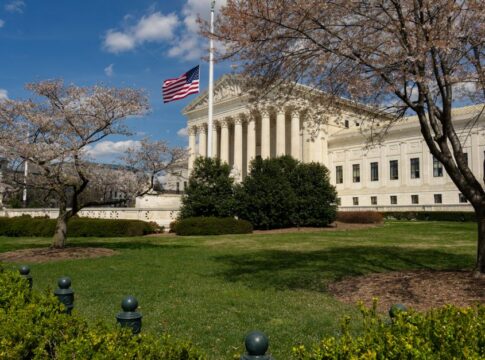
Photo: David Dibert / Pexels
By National News Daily Newsroom, National Desk — Published September 18, 2026
Table of Contents
- Key Takeaways
- The Background & Context
- Why This Matters
- Reactions & Analysis
- What Happens Next
- Frequently Asked Questions
The nation’s highest court has issued a temporary reprieve for a controversial Trump administration order restricting mail-in voting, a decision that has drawn both celebration from the White House and sharp criticism from lawmakers and election officials nationwide. The Supreme Court‘s move allows the restrictions to remain in place for now, even as legal challenges continue to wind through lower courts. Trump celebrates supreme court action that he claims validates his long-standing concerns about election integrity, while opponents warn the order threatens to disenfranchise millions of Americans ahead of the 2026 midterm elections.
The decision represents a significant development in the ongoing battle over voting access in America. It comes at a critical juncture as states prepare for next year’s congressional races. The temporary nature of the ruling leaves the door open for future legal challenges, creating uncertainty for election administrators across the country who must now navigate conflicting federal directives and state laws governing how citizens cast their ballots.
California and other states with established vote-by-mail systems have vowed to maintain their current practices despite the federal restrictions. The clash between state sovereignty and federal authority over election procedures has emerged as a central constitutional question that may ultimately require the Supreme Court to issue a final, definitive ruling.
Key Takeaways
- The Supreme Court has temporarily allowed Trump administration restrictions on mail-in voting to remain in effect while legal challenges proceed through the courts.
- California has announced its mail-in voting procedures will remain unchanged for the 2026 elections, setting up a potential conflict with federal directives.
- The Supreme Court ultimately rejected the Trump mail voting restrictions for this year’s midterm elections, according to national news reports.
- Senator Gallego has called for Senate committee action while celebrating the Supreme Court’s decision on mail-in voting.
- The temporary nature of the court’s action leaves election officials in limbo as they prepare for upcoming elections.
- The dispute highlights ongoing tensions between federal government authority and state control over election administration.
The Background & Context
Mail-in voting has been a contentious political issue for years, but the debate intensified dramatically following the 2020 presidential election. Former President Trump has consistently raised questions about the security and reliability of vote-by-mail systems, claims that have been disputed by election security experts and officials from both parties who administered that election.
Many states expanded mail-in voting options during the COVID-19 pandemic, allowing millions of Americans to vote safely from home. Some states, particularly in the West, had already adopted universal mail-in voting systems years earlier. California, for instance, has operated a robust vote-by-mail program that has become the primary way most residents cast their ballots.
The Trump administration’s recent order sought to impose new restrictions on these systems, arguing that tighter controls were necessary to prevent fraud and ensure election integrity. Critics counter that such restrictions solve a problem that doesn’t exist while creating substantial barriers for voters who rely on mail ballots, including elderly citizens, people with disabilities, rural residents, and military personnel stationed overseas.
The legal battle over these restrictions has moved rapidly through the federal court system. Lower courts issued conflicting rulings, with some blocking the restrictions and others allowing them to proceed. This patchwork of decisions created confusion and prompted the Supreme Court to intervene, at least temporarily, to provide clarity on whether the restrictions could take effect while the underlying legal questions are resolved.
Why This Matters
The stakes in this dispute extend far beyond the mechanics of election administration. At its heart, this case raises fundamental questions about voting rights, federalism, and the balance of power between Washington and the states.
For millions of American voters, mail-in ballots represent the most convenient and accessible way to participate in democracy. Working parents who can’t take time off on Election Day, elderly voters with mobility challenges, and rural residents who live far from polling places all depend on the ability to vote by mail. Any restrictions on these systems could significantly reduce turnout among these populations, potentially affecting election outcomes.
The dispute also tests the boundaries of federal authority over state election systems. The Constitution grants states primary responsibility for conducting elections, but Congress and the executive branch have certain powers to regulate federal elections. Where exactly those lines fall has been debated since the founding of the republic, and this case may help define them for the modern era.
Election administrators face practical challenges as well. They must order ballots, train poll workers, and establish procedures months in advance of Election Day. Uncertainty about which rules will apply makes this planning difficult, potentially leading to confusion and errors that could undermine public confidence in election results.
The defense of voting access has become a rallying cry for civil rights organizations and Democratic lawmakers, who view the restrictions as part of a broader effort to make voting more difficult for certain demographic groups. Republicans and Trump supporters, meanwhile, see the restrictions as common-sense safeguards that will increase public trust in election outcomes.
Reactions & Analysis
The Supreme Court’s decision has generated sharply divided reactions that largely fall along partisan lines, though some officials have broken from their party’s consensus.
President Trump hailed the court’s action as a vindication of his position on election security. His celebration of the Supreme Court’s temporary ruling reflects his continued focus on voting procedures as a central political issue. The administration has indicated it views this as a first step toward more comprehensive election reforms.
California officials have taken a defiant stance, announcing that the state’s mail-in voting system will remain unchanged for the 2026 elections regardless of federal restrictions. This position sets up a potential constitutional confrontation between the nation’s most populous state and the federal government. Other states with established vote-by-mail systems are watching closely and may follow California’s lead.
In Congress, Senator Gallego has emerged as a vocal critic of the restrictions while simultaneously calling for Senate committee action on artificial intelligence regulation. His celebration of what he characterized as the Supreme Court’s mail-in voting decision reflects the view among many Democratic lawmakers that the court ultimately sided with voting access advocates, though the temporary nature of the ruling complicates that narrative.
National news coverage has highlighted the confusion surrounding the Supreme Court’s actions, with different outlets emphasizing different aspects of the decision. Some reports focus on the temporary preservation of Trump’s restrictions, while others emphasize the court’s rejection of those same restrictions for the current election cycle. This divergence in coverage reflects the complexity of the legal issues and the provisional nature of the court’s intervention.
Election law experts have noted that the Supreme Court’s decision to intervene at all signals the justices recognize the significance of the underlying questions. However, the temporary and limited nature of the ruling provides little guidance on how the court might ultimately decide the case on its merits.
What Happens Next
The legal battle over mail-in voting restrictions is far from over. Lower courts will continue to hear arguments on the merits of the Trump administration’s order, and those decisions will likely be appealed back to the Supreme Court.
In the meantime, states must decide how to proceed. Those with established vote-by-mail systems face a choice: comply with federal restrictions and potentially disenfranchise voters, or maintain their current practices and risk legal consequences. California’s decision to forge ahead unchanged may embolden other states to do the same, creating a potential crisis of federal authority.
Congress could intervene by passing legislation that either codifies mail-in voting protections or imposes restrictions, but such action appears unlikely given the current political divisions. Any voting rights bill would face significant hurdles in both chambers and could itself face legal challenges.
The 2026 midterm elections loom as a critical test. If different states operate under different rules, the resulting confusion could fuel further disputes about election legitimacy. Conversely, if the elections proceed smoothly despite the legal uncertainty, it might demonstrate that American democracy is more resilient than the heated rhetoric suggests.
Voters themselves may have the final word. High-profile disputes over voting procedures tend to increase political engagement and turnout, as citizens become more aware of the stakes involved. Whether that benefits one party or another remains to be seen, but it could lead to record participation in the midterms.
Frequently Asked Questions
What exactly did the Supreme Court decide about mail-in voting?
The Supreme Court issued a temporary order allowing Trump administration restrictions on mail-in voting to remain in place while legal challenges continue in lower courts. However, the court also rejected these same restrictions for application to this year’s midterm elections, creating a complex legal situation where the ultimate fate of the restrictions remains unresolved. The temporary nature of the decision means the court has not yet ruled on the merits of whether the restrictions are constitutional or legal.
Will California voters still be able to vote by mail in 2026?
Yes, California has announced that its mail-in voting procedures will remain unchanged for the 2026 elections despite federal restrictions. The state has a well-established universal vote-by-mail system that allows all registered voters to receive ballots automatically. California officials have indicated they will maintain this system regardless of federal directives, though this position could lead to legal conflicts with the federal government.
Why does President Trump oppose mail-in voting?
President Trump has consistently raised concerns about mail-in voting, arguing that it creates opportunities for fraud and undermines election security. He has celebrated the Supreme Court’s temporary preservation of restrictions on vote-by-mail systems as validation of these concerns. However, election security experts and officials from both parties who administered previous elections have found no evidence of widespread fraud in mail-in voting systems.
What role does Congress play in this dispute?
Congress has constitutional authority to regulate certain aspects of federal elections, and some lawmakers have called for legislative action on mail-in voting. Senator Gallego, for example, has called for Senate committee involvement while celebrating aspects of the Supreme Court’s decision. However, the deep political divisions over voting procedures make congressional action difficult, and any legislation would likely face legal challenges of its own regarding the proper balance between federal and state authority over elections.
As this legal and political battle continues to unfold, American voters and election officials find themselves in uncertain territory. The Supreme Court’s temporary intervention has provided a pause, but not a resolution. How this dispute ultimately resolves will shape not just the mechanics of voting, but fundamental questions about democracy, federalism, and who gets to decide how Americans cast their ballots. For now, the nation waits to see whether the court will provide definitive answers or whether this debate will continue to divide Americans along familiar partisan lines.