
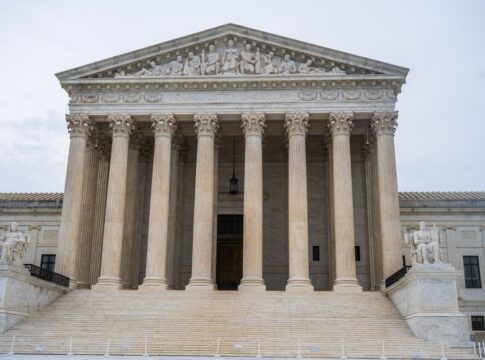
Photo: Guohua Song / Pexels
By National News Daily Newsroom, National Desk — Published September 20, 2026
Table of Contents
- Key Takeaways
- The Background & Context
- Why This Matters
- Reactions & Analysis
- What Happens Next
- Frequently Asked Questions
The Supreme Court has allowed construction to proceed on a controversial $400 million ballroom project at the White House, at least temporarily. The decision permits work to continue while legal challenges wind through lower courts, marking the latest development in a high-profile dispute over the massive renovation.
According to reports, the Supreme Court lets the Trump administration move forward with the ballroom construction despite objections from critics who have raised concerns about the project’s cost, scope, and approval process. The ruling does not settle the underlying legal questions. It simply maintains the status quo while litigation continues.
The ballroom project has generated significant attention due to its price tag and the questions it raises about executive authority over federal property. What began as a proposal for White House renovations has evolved into a legal battle that now involves the nation’s highest court.
Key Takeaways
- The Supreme Court has permitted construction on a $400 million White House ballroom to continue temporarily while legal challenges proceed.
- The decision does not resolve the underlying legal disputes about the project’s authorization or funding mechanisms.
- The ballroom construction represents one of the most expensive White House renovation projects in recent memory.
- Lower courts will continue to examine the legal questions surrounding the project’s approval and implementation.
- The temporary nature of the Supreme Court’s decision means the construction could still face future legal obstacles.
- Taxpayer dollars and federal property management practices sit at the heart of the controversy.
The Background & Context
White House renovations have long been a point of public interest and occasional controversy. Every administration makes changes to the executive mansion, from redecorating private quarters to updating aging infrastructure. But this ballroom project stands apart in scale and cost.
The $400 million price tag places this renovation among the most expensive White House construction projects ever proposed. For context, major White House renovations during the Truman administration in the 1940s and 1950s, which essentially rebuilt the interior of the building, cost approximately $5.8 million at the time—roughly $70 million in today’s dollars when adjusted for inflation.
The legal challenge to the ballroom construction appears to center on questions of proper authorization and oversight. Federal buildings, particularly those as symbolically important as the White House, typically require extensive review and approval processes before major construction can begin. Critics have questioned whether appropriate procedures were followed in this case.
The Supreme Court’s intervention came after lower court proceedings raised enough concerns to potentially halt the project. By allowing construction to continue, the justices have effectively determined that stopping work would cause greater harm than letting it proceed while legal questions are resolved. This type of interim relief is common in cases involving large construction projects where delays can multiply costs significantly.
Why This Matters
For American taxpayers, this case raises fundamental questions about how public money gets spent on federal facilities. A $400 million ballroom is not a minor expense. It exceeds the annual budgets of many federal agencies and could fund numerous other government priorities.
The decision also touches on broader issues of executive authority and checks and balances. Who decides what gets built at the White House? What oversight mechanisms exist to ensure such decisions serve the public interest rather than personal preference? These questions extend beyond any single administration.
Transparency in government spending matters deeply to civic accountability. When major construction projects move forward at the nation’s most famous address, citizens deserve clear answers about costs, benefits, and decision-making processes. The legal challenges suggest those answers may not have been adequately provided.
The Supreme Court’s role in this dispute also carries significance. The justices rarely involve themselves in construction disputes unless substantial legal principles are at stake. Their willingness to issue a ruling, even a temporary one, signals that the underlying questions have broader implications for federal property management and executive power.
From a practical standpoint, allowing construction to continue affects contractors, workers, and the White House complex itself. Stopping and restarting major construction typically inflates costs and extends timelines. The Court’s decision prevents that disruption while preserving the option to halt the project later if legal challenges succeed.
Reactions & Analysis
The Supreme Court’s order has generated varied responses from legal observers and government watchdog groups. Those concerned about executive overreach view the ongoing legal challenge as an important test of limits on presidential authority over federal property. They argue that even temporary approval of the construction sets a troubling precedent.
Supporters of allowing the work to continue emphasize the practical costs of delay. Construction projects interrupted mid-stream often face significant cost overruns. Materials ordered sit unused. Contractors remain idle but still require payment. Weather exposure can damage partially completed work.
Legal analysts note that the Supreme Court’s decision to let construction proceed does not indicate how the justices view the merits of the underlying case. Temporary relief decisions typically focus on immediate practical considerations rather than final legal conclusions. The Court weighs whether stopping the activity would cause irreparable harm compared to allowing it to continue.
The temporary nature of the ruling keeps all options open. Lower courts can still examine whether proper procedures were followed, whether funding was appropriately authorized, and whether the project serves legitimate governmental purposes. If those courts find problems, they retain the authority to order changes or even removal of completed work, though such outcomes would be unusual and expensive.
What Happens Next
The legal battle over the White House ballroom will now return to lower courts for continued examination of the underlying claims. Those proceedings could take months or even years to fully resolve, depending on the complexity of the issues and whether appeals follow.
Meanwhile, construction crews can continue their work without interruption. The $400 million project will likely employ dozens or hundreds of workers, involve multiple contractors, and require coordination with White House operations and security. Keeping that machinery running avoids the complications of a shutdown.
Future administrations may inherit both the completed ballroom and any ongoing legal disputes. Major White House construction projects often span multiple presidencies. The results of this case could establish precedents that affect how future presidents approach renovations and construction at the executive mansion.
Congress may also take interest in the matter. Lawmakers hold oversight authority over federal spending and property management. If questions arise about whether appropriate authorizations were obtained or proper procedures followed, congressional committees could launch their own investigations or hold hearings.
The outcome will likely influence how federal construction projects get approved and managed going forward. Clear procedures and transparent decision-making help avoid costly legal battles. This case may prompt agencies to tighten their processes to prevent similar disputes.
Frequently Asked Questions
What exactly did the Supreme Court decide?
The Supreme Court issued a temporary order allowing construction on the White House ballroom to continue while legal challenges proceed through lower courts. This decision does not resolve the underlying legal questions about whether the project was properly authorized. It simply prevents work from being halted during the litigation process.
How much does the ballroom project cost?
According to reports, the White House ballroom construction carries a price tag of $400 million, making it one of the most expensive White House renovation projects in history. This substantial cost has contributed to the controversy surrounding the project and raised questions about appropriate use of taxpayer funds.
Can the Supreme Court still stop the project later?
Yes. The current ruling is temporary and addresses only whether construction should continue during litigation. Lower courts will examine the legal merits of challenges to the project. If those courts find serious problems with how the ballroom was authorized or funded, they could order the work stopped or even require modifications to completed portions, though such outcomes would be costly and unusual.
Who is challenging the ballroom construction?
The sources do not specify which parties filed the legal challenges against the ballroom project. Typically, such cases might be brought by government watchdog organizations, congressional members, or citizens’ groups concerned about government spending and proper authorization procedures for federal construction projects.
The White House ballroom case illustrates the complex intersection of executive authority, public spending, and legal oversight. As construction continues under the Supreme Court’s temporary blessing, the fundamental questions about proper authorization and use of taxpayer funds remain unresolved. Americans watching this dispute unfold have reason to pay attention—the answers will help define the boundaries of presidential power over federal property for years to come.