
California motorists now pay up to $6 per gallon for regular gasoline as the standoff with Iran over the Strait of Hormuz sends fuel prices skyrocketing across America, with diesel costs approaching historic highs that threaten to increase prices on groceries and consumer goods nationwide.
Southwest Faces Steepest Price Increases
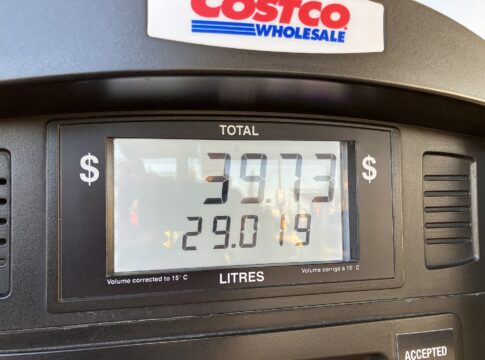
California’s average gas price reached $5.93 per gallon, with some stations charging $6 or more. One Anaheim motorist paid $44.09 to pump just 7.35 gallons of regular gas on Sunday. The current national average of $4.14 represents an increase of over one dollar since the conflict with Iran began on February 28. GasBuddy petroleum analyst Matt McClain warned that Southwest states face particularly severe impacts. Even Colorado, typically below the national average, has seen prices jump 50 cents per gallon in just one month.
The national record for average gas prices was $5.02 per gallon, set in June 2022 during the Russia-Ukraine war. Industry experts predict prices could reach record territory if tensions with Iran continue, regardless of whether the recently announced cease-fire holds. McClain told reporters that price increases would continue even with diplomatic progress, stating that unwinding the current crisis would take weeks or months rather than days.
Diesel Prices Threaten Consumer Goods Costs
Diesel fuel prices present an even more concerning picture for American families. The national diesel average hit $5.65 per gallon on Tuesday, approaching the 2022 record of $5.82. California diesel already reached an all-time high of $7.73 per gallon, with projections it could approach $8 soon. Auto Club Group spokesperson Skyler McKinley emphasized that diesel price increases matter more to consumers than many realize, since virtually all goods arrive by diesel-powered barges, trucks, or trains.
What This Means for American Families
Rising diesel costs will first impact fresh produce, perishable items, and never-frozen meats at grocery stores, since these products require frequent shipments and are most sensitive to transportation expenses. While little American oil comes from Iran or the Middle East, global oil trading means Iran’s stranglehold on the Strait of Hormuz creates worldwide shortages that drive up prices domestically. Asian countries have experienced the hardest impacts so far. Even if Iran reopens the strait immediately, McClain predicts Americans will see only slight initial decreases, followed by a gradual months-long recovery to more reasonable prices at the pump.