
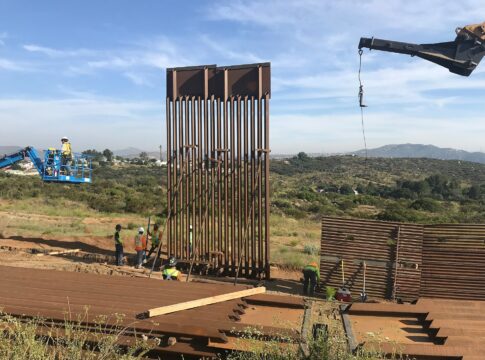
A coalition of Texas residents, sheriffs, and local officials from both political parties successfully forced the Trump administration to scrap plans for a 400-mile steel border wall in the Big Bend region, proving that united local opposition can reshape federal border security policy.
Bipartisan Coalition Stops Physical Barrier
The No Big Bend Wall group, bringing together Republicans, Democrats, and Libertarians in the remote West Texas region, convinced federal officials to abandon construction plans along 517 miles of border near Big Bend National Park. Statistics show the Big Bend sector recorded just 892 encounters out of 34,480 total southern border crossings, supporting residents’ argument that the difficult terrain makes illegal crossings impractical in their area. Presidio County Sheriff Danny Dominguez emphasized the natural barriers, noting anyone crossing the border faces three to four days of walking through harsh wilderness.
David Keller, a local archaeologist from Redford, confirmed federal officials responded to sustained pressure from the community. Five border county sheriffs wrote an open letter requesting technology-driven and terrain-informed solutions instead of physical barriers. The coalition raised concerns about environmental damage to watersheds, archaeological sites, animal migration routes, and property values. Residents also cited broken promises after Texas Governor Greg Abbott reportedly received assurances from Border Patrol Chief Mike Banks that no barriers would be built in the national or state parks.
Federal Response and Remaining Concerns
Customs and Border Protection spokesman Hilton Beckham stated the agency continues coordinating with the National Park Service and Texas Parks and Wildlife Department throughout planning stages. Areas adjacent to the parks remain in planning while officials focus on higher priority locations. Presidio County Commissioner Deirdre Hisler reported a productive meeting with a local sector chief who agreed to eliminate an additional 5.6 miles of planned barrier construction.
What This Means
Despite the victory, uncertainty remains as local landowners continue receiving letters from the Army Corps of Engineers about leasing agreements. Former Homeland Security Secretary Kristi Noem signed environmental study waivers before her removal last month, potentially allowing expedited construction. Local river tour guide Charlie Angell expressed hope federal officials abandon future wall segments entirely, protecting riverfront property and wildlife habitats. The Big Bend case demonstrates how local communities can influence federal border policy when they present unified, bipartisan opposition backed by geographic and statistical evidence.