
Renewable Energy Storage: Why Batteries Matter Now
By Newsroom, Science & Technology Desk — Published August 18, 2026
Table of Contents
- How Renewable Energy Storage Actually Works
- Why the Technology Matters Beyond Climate Goals
- The Scientific and Engineering Challenges Still Unsolved
- What Emerging Technologies and Policy Decisions Mean for Deployment
- The Role of Consumers and Communities
- Frequently Asked Questions
Solar panels and wind turbines have become fixtures of the modern landscape, but they share a fundamental problem: they generate power only when the sun shines or the wind blows. Renewable energy storage solves this mismatch between when clean electricity gets produced and when people actually need it. Without reliable storage, the grid still depends on fossil fuel plants to fill the gaps. That’s why batteries have moved from the margins to the center of the clean energy conversation.
The technology innovation trends in this space affect everyone who pays an electric bill, worries about climate change, or depends on a stable power grid. What happens in research laboratories today shapes whether your neighborhood can ride out the next blackout or whether utilities can retire their last coal plant.
How Renewable Energy Storage Actually Works
At its simplest, energy storage captures excess electricity and releases it later. Batteries do this electrochemically, shuffling ions back and forth between two electrodes through an electrolyte. Charge them when supply exceeds demand. Discharge them when demand spikes or generation drops.
Lithium-ion batteries dominate the market right now, the same basic chemistry that powers laptops and electric vehicles. Grid-scale versions are bigger, housed in shipping-container-sized units or warehouse-scale installations. A utility might deploy hundreds of these containers at a single site, collectively storing enough electricity to power thousands of homes for hours.
But lithium-ion isn’t the only player. Peer-reviewed research continues to explore alternatives. Flow batteries pump liquid electrolytes through a reactor, separating energy capacity from power output in ways that lithium-ion can’t match. Solid-state batteries replace flammable liquid electrolytes with stable solids, potentially improving safety and longevity. Sodium-ion batteries use abundant materials instead of scarce lithium. Each approach involves trade-offs between cost, duration, efficiency, and scalability.
Then there are non-battery options. Pumped hydro storage, the oldest and largest form of grid storage worldwide, pumps water uphill when power is cheap and lets it flow back down through turbines when needed. Compressed air storage forces air into underground caverns. Thermal storage heats salt or other materials to extreme temperatures, banking energy as heat rather than electricity.
Why the Technology Matters Beyond Climate Goals
Yes, storage enables deeper cuts to carbon emissions by letting renewables displace fossil fuels around the clock. But the benefits extend into grid reliability, economic efficiency, and energy independence.
Blackouts cost the economy billions annually. Storage can respond to grid disturbances in milliseconds, much faster than conventional power plants. When a transmission line fails or a generator trips offline, batteries can inject power instantly to prevent cascading failures. California deployed large battery systems partly in response to wildfire-related outages and the rotating blackouts of recent summers. Those installations now provide what engineers call ancillary services, stabilizing voltage and frequency even when the lights stay on.
Storage also changes the economics of electricity. Power prices fluctuate wildly throughout the day. Batteries can buy low and sell high, charging during periods of surplus renewable generation when prices crash (sometimes going negative) and discharging during evening peaks when prices soar. This arbitrage makes the entire system more efficient, smoothing out price spikes that would otherwise punish consumers and businesses.
For remote communities or military bases, storage paired with local solar or wind offers a path away from expensive diesel generators and vulnerable fuel supply chains. Island nations face similar calculations. Energy independence isn’t just geopolitical rhetoric when you’re shipping fuel across an ocean.
The Scientific and Engineering Challenges Still Unsolved
Current battery technology works well for storage durations of a few hours. That covers the evening demand peak when solar production fades. But what about multi-day stretches of cloudy, calm weather? Or seasonal variations, when winter demand surges but solar output plummets?
Laboratory studies focus intensely on duration. Lithium-ion batteries lose capacity with each charge cycle and degrade faster when held at full charge for extended periods. Their economics make sense for four-hour storage, maybe eight. Beyond that, costs escalate. Researchers are hunting for chemistries that can store energy for days or weeks at reasonable cost. Hydrogen production, where excess renewable electricity splits water into hydrogen fuel, represents one frontier. The hydrogen can be stored indefinitely and burned or run through fuel cells later. But round-trip efficiency is poor, and infrastructure doesn’t yet exist at scale.
Safety matters too. Lithium-ion batteries can experience thermal runaway, a chain reaction where internal heat builds until the battery catches fire or explodes. Strict engineering controls and thermal management systems mitigate this risk, but it’s not zero. Emerging technologies like solid-state batteries promise inherently safer designs, though commercial deployment remains years away despite optimistic projections.
Supply chains present another bottleneck. Lithium, cobalt, nickel—the materials that make high-performance batteries possible—come from concentrated sources, often with significant environmental and human rights concerns. Digital transformation in mining and recycling could ease some pressures, but scaling storage to meet climate goals means mining and processing raw materials at unprecedented rates. Alternatives using more abundant elements would reduce these constraints, if the science delivers.
What Emerging Technologies and Policy Decisions Mean for Deployment
Tech industry developments happen in parallel with regulatory and market design questions. Storage doesn’t fit neatly into traditional utility categories. Is it generation, transmission, or something else? How it gets classified determines who can own it, how it’s compensated, and what rules govern its operation.
Some jurisdictions now mandate storage alongside new renewable projects. Others offer financial incentives, tax credits, or streamlined permitting. These policies accelerate deployment but also create winners and losers among competing technologies. If regulations favor four-hour lithium-ion systems, longer-duration alternatives may struggle to find footing even if they’d serve the grid better in the long run.
Artificial intelligence and machine learning increasingly optimize how storage operates. Algorithms predict solar and wind output, forecast demand, anticipate price movements, and decide when to charge or discharge. Done well, this intelligence squeezes more value from every battery. Done poorly, or with misaligned incentives, it could destabilize markets or concentrate control in ways that disadvantage consumers.
Medical device approval processes offer an interesting parallel. Both batteries and medical devices must prove safety and performance before widespread deployment, but overly cautious regulation can delay beneficial technology while overly permissive rules risk catastrophic failures. Finding the right balance requires ongoing dialogue between engineers, regulators, and the public.
The Role of Consumers and Communities
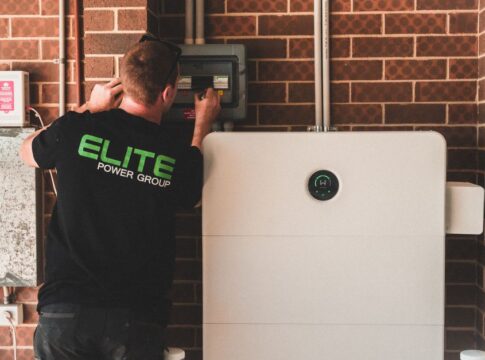
Grid-scale batteries grab headlines, but residential and community storage matter too. Homeowners increasingly pair rooftop solar with battery systems, gaining backup power during outages and reducing reliance on the utility. These distributed resources can also aggregate into virtual power plants, coordinating thousands of small batteries to act like one large facility.
Community choice aggregators and municipal utilities sometimes deploy neighborhood-scale storage, sized to serve a few hundred or thousand customers. This distributed approach can defer expensive transmission upgrades and improve local resilience. When a wildfire forces a utility to cut power to prevent igniting blazes, a neighborhood microgrid with storage can keep critical facilities running.
Not every community benefits equally. Wealthier households can afford rooftop solar and batteries; renters and lower-income families typically can’t. Ensuring that storage deployment doesn’t deepen energy inequity requires intentional policy design, whether through subsidies, community ownership models, or utility programs that share benefits broadly.
Frequently Asked Questions
How long can renewable energy storage systems actually store power?
Most grid-scale lithium-ion batteries today store energy for two to four hours, enough to shift afternoon solar generation into the evening peak. Some newer installations offer eight hours or more. Technologies like pumped hydro or hydrogen can theoretically store energy for days, weeks, or even seasons, but they face different cost and efficiency trade-offs. The optimal duration depends on local grid needs and the mix of renewable resources available.
Are batteries safe enough for widespread deployment near homes and schools?
Modern battery systems include multiple safety features: thermal management, fire suppression, protective enclosures, and monitoring systems that detect problems early. Incidents do occur, but they’re relatively rare given the scale of deployment. Regulations typically require setbacks from occupied buildings and compliance with fire codes. Emerging solid-state technologies promise even greater inherent safety, though they’re not yet commercially available at grid scale. Like any energy infrastructure, batteries involve managed risk rather than zero risk.
What happens to old batteries when they can no longer store enough energy?
Lithium-ion batteries degrade over time, typically retaining 70 to 80 percent of original capacity after a decade of grid use. At that point they’re often retired from grid service but may find second lives in less demanding applications, such as backup power or off-grid systems. Eventually they require recycling to recover valuable materials like lithium, cobalt, and nickel. Recycling infrastructure is still developing, and current recovery rates lag behind what’s technically possible. Improving recycling will be essential as deployment scales up.
Can renewable energy storage completely replace fossil fuel power plants?
In theory, yes. Sufficient storage paired with enough renewable generation capacity could provide reliable power around the clock and across seasons. In practice, the amount and type of storage needed depends on the renewable mix, geographic diversity of resources, transmission capacity, and demand flexibility. Some studies suggest that overbuild renewables plus long-duration storage could eliminate the need for fossil fuel baseload plants, while others argue that small amounts of dispatchable clean generation—such as geothermal, biomass, or hydrogen turbines—reduce total system costs. The answer varies by region and continues to evolve as technology costs change.
Energy storage isn’t a silver bullet, but it’s become indispensable infrastructure for a grid that runs on wind and sun. The science keeps advancing, costs keep falling, and deployment keeps accelerating. Whether the pace proves fast enough to meet climate targets depends on continued innovation, smart policy, and sustained investment. For now, every battery installed shifts the grid a little further from fuel that must be burned and a little closer to power that can wait.