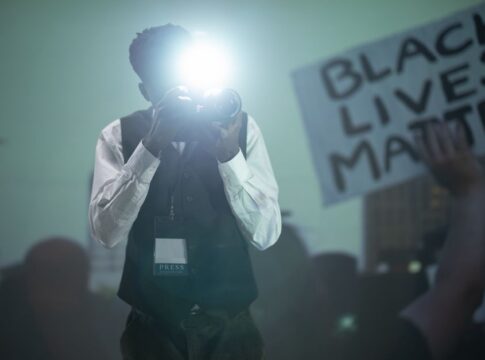
Photo: cottonbro studio / Pexels
By Daily American Press Newsroom, Politics Desk — Published September 19, 2026
Table of Contents
- Key Takeaways
- The Background & Context
- Why This Matters
- Reactions & Analysis
- What Happens Next
- Frequently Asked Questions
Journalists denied entry to the White House. The phrase landed like a thunderclap in newsrooms across America as reporters from MS NOW, CNN, and Politico found themselves turned away from the nation’s most powerful address. This wasn’t a security glitch or scheduling mishap. It came one day after former President Donald Trump announced sweeping bans targeting specific news organizations, reigniting one of the most contentious battles in American politics: the relationship between executive power and press freedom.
The incident unfolded as reporters arrived for what should have been routine White House access. Instead, they were stopped at the gates. MS NOW and CNN both confirmed their journalists were denied entry following Trump’s public declaration barring certain media outlets from coverage. Politico reporters faced similar restrictions. The move sent shockwaves through the journalism community and raised urgent questions about the First Amendment’s protections in an era of increasingly hostile rhetoric toward the media.
For millions of Americans who rely on a free press to hold government accountable, the stakes couldn’t be higher. When elected officials control which journalists can ask questions and which stories get told, democracy itself faces a stress test. This isn’t abstract constitutional theory. It’s about whether citizens get the information they need to make informed decisions about their government, their votes, and their future.
Key Takeaways
- Journalists from MS NOW, CNN, and Politico were denied White House access following Trump’s media ban announcement
- The denials occurred the day after Trump publicly declared bans on specific news organizations
- Multiple major news outlets confirmed their reporters were turned away from White House grounds
- The incident represents a direct challenge to First Amendment press freedom protections
- The confrontation escalates long-standing tensions between Trump and mainstream media organizations
- Legal experts and journalism advocates are closely monitoring the situation for constitutional implications
The Background & Context
The relationship between the Trump administration and major news organizations has been fraught since the earliest days of his political rise. What began as campaign-trail sparring evolved into a full-scale war of words, with Trump branding critical coverage as “fake news” and calling journalists “the enemy of the people.” Those weren’t throwaway lines. They shaped how millions of Americans view the media and set the stage for increasingly aggressive actions against press access.
White House press credentials have long been considered essential tools of democracy. They allow journalists to question officials, attend briefings, and report on government actions in real time. The system operates on principles established over decades: that a free press serves the public interest and that government officials, even the president, must face scrutiny. Denying access based on coverage decisions crosses a bright line that previous administrations, regardless of party, generally respected.
Trump’s history with media bans isn’t new. During his previous term, his administration revoked CNN correspondent Jim Acosta’s press credentials, sparking a legal battle the White House ultimately lost. Courts ruled that due process protections apply to press access decisions. But this latest move appears broader in scope, targeting entire organizations rather than individual reporters. That escalation changes the calculation. It suggests a systematic attempt to control which news outlets can cover the executive branch.
The timing matters too. This confrontation unfolds as Trump campaigns for a return to the presidency and as debates over media bias, misinformation, and press credibility dominate public discourse. Political polarization has left many Americans deeply distrustful of mainstream media, while others see press freedom as democracy’s last line of defense. The collision of these forces creates a volatile environment where access restrictions can quickly become flashpoints in the broader culture war.
Why This Matters
Strip away the political theater and you’re left with a fundamental question: who decides what Americans get to know about their government? When a president or candidate can effectively silence news organizations by denying access, the answer becomes troubling. Information doesn’t flow freely. Questions go unasked. Stories remain untold. The public loses.
Press freedom isn’t a special privilege granted to journalists. It’s a right belonging to every citizen, exercised through a free press. The First Amendment protects media access precisely because voters need information to govern themselves through democratic processes. Elections depend on informed choices. Legislation requires public scrutiny. Congressional oversight needs factual reporting to function. When access gets restricted, the entire system weakens.
Consider the practical implications. If MS NOW, CNN, and Politico can be barred today, which outlet faces exclusion tomorrow? What happens when only friendly media outlets receive credentials? Government accountability evaporates. Corruption flourishes in darkness. Citizens lose the ability to distinguish between propaganda and journalism. These aren’t hypothetical concerns. History shows that restricting press freedom precedes the erosion of other democratic norms.
The economic dimension deserves attention too. News organizations invest substantial resources in White House coverage. Reporters spend years cultivating expertise and sources. When access gets cut off, those investments become worthless. Smaller outlets lack the legal firepower to fight extended court battles. The result: media consolidation and reduced diversity of voices covering government. Taxpayers suffer when fewer journalists can effectively monitor how their money gets spent and their laws get made.
This incident also tests the resilience of democratic institutions beyond the media. Will Congress assert its oversight role? Will courts defend press freedom? Will other officials speak up for First Amendment principles even when politically inconvenient? The answers will shape American democracy for years to come. Silence in the face of access restrictions sends a message: that press freedom is negotiable, contingent, and ultimately optional.
Reactions & Analysis
News organizations affected by the access denials responded swiftly. MS NOW and CNN both issued statements confirming their journalists were turned away from the White House. The outlets framed the denials as direct consequences of Trump’s ban announcement, drawing clear connections between his public statements and the subsequent actions at the White House gates. Politico similarly reported that its reporters faced restrictions following the ban declaration.
The journalism community watches these developments with alarm. Press freedom advocates understand that access restrictions, once normalized, become harder to reverse. If one administration can ban outlets without consequence, future leaders inherit that precedent. The chilling effect extends beyond those directly denied credentials. Other journalists may soften coverage to avoid similar treatment. Sources become reluctant to speak with reporters from targeted organizations. The entire ecosystem of accountability journalism suffers.
Legal analysis centers on First Amendment protections and due process requirements. Previous court rulings established that the government cannot revoke press credentials arbitrarily or in retaliation for coverage decisions. But enforcement remains challenging. Litigation takes time. By the time courts rule, news cycles have moved on and damage to press access has already occurred. The lag between violation and remedy creates space for executive overreach.
Political reactions will likely split along partisan lines, reflecting broader divisions over media credibility and Trump’s relationship with the press. Some lawmakers may defend the access restrictions as justified responses to biased coverage. Others will invoke First Amendment principles and demand restoration of press credentials. The debate will play out in campaign speeches, congressional hearings, and legislation proposals aimed at protecting or restricting media access.
What Happens Next
The immediate question is whether the affected news organizations will pursue legal action. Given precedent from previous access disputes, courts may ultimately rule in favor of press freedom. But litigation is costly and time-consuming. News outlets must weigh the resources required against the likelihood of success and the speed of resolution. Meanwhile, their reporters remain locked out of crucial coverage opportunities.
Congressional response could prove decisive. Lawmakers have tools to pressure the executive branch on press access issues, from public hearings to funding restrictions. But those tools require political will. In a polarized environment, building bipartisan consensus around press freedom may prove difficult. Some members may see advantage in supporting restrictions on outlets they view as hostile. Others may prioritize First Amendment principles over partisan considerations.
The broader impact on campaign coverage and political journalism will unfold over coming months. If access restrictions hold, other candidates and officials may adopt similar tactics. State governments could follow the federal example. Local officials might bar reporters from city council meetings or public events. The normalization of access denials would fundamentally alter how Americans receive information about their government.
Public opinion will shape the ultimate outcome. If citizens demand press access and accountability, political pressure may force a reversal. If the public remains divided or indifferent, restrictions may expand. The test isn’t just legal or political. It’s civic. Do Americans value press freedom enough to defend it when the targeted outlets are ones they may not personally trust or read? The answer will define the information landscape for the next generation.
Frequently Asked Questions
Can a president legally ban specific news organizations from White House access?
The legal landscape is complex. Courts have ruled that the government cannot revoke press credentials arbitrarily or as retaliation for coverage decisions. The First Amendment protects press freedom, and due process requirements apply to credential decisions. However, the executive branch maintains some discretion over security and access procedures. Previous legal battles have generally favored press access, but each case depends on specific circumstances and how restrictions are implemented.
How does this affect ordinary citizens who aren’t journalists?
Press access restrictions directly impact every citizen’s ability to stay informed about government actions. When news organizations cannot cover the White House, important stories go unreported. Policy decisions lack scrutiny. Official statements go unchallenged. Citizens lose access to information they need to vote, engage in civic life, and hold leaders accountable. Press freedom protects the public’s right to know, not just journalists’ right to report.
Have previous presidents restricted media access in similar ways?
While tensions between presidents and the press are nothing new, systematic bans targeting multiple major news organizations represent an escalation. Individual credential disputes have occurred across administrations, but wholesale exclusion of outlets based on coverage decisions breaks from historical norms. Most previous administrations, even when frustrated with media coverage, maintained access for credentialed journalists from major news organizations.
What can Congress do about White House press access restrictions?
Congress has several tools available. Lawmakers can hold oversight hearings, pass legislation protecting press access, and use funding authority to pressure the executive branch. Congressional leaders can also speak publicly in defense of press freedom, creating political costs for access restrictions. However, these tools require political will and often bipartisan cooperation, which may prove challenging in a polarized environment where views of media credibility split along party lines.
The gates of the White House remain closed to some of America’s most prominent news organizations. Whether they reopen depends on courts, Congress, and ultimately the American people. The journalists denied entry will continue reporting, finding other ways to cover the stories that matter. But the larger question persists: what kind of democracy do we want to be? One where press freedom is defended even when inconvenient, or one where access depends on favorable coverage? The answer is being written right now, one denied credential at a time.