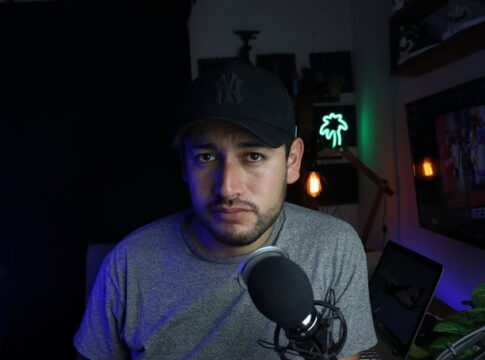
Photo: Benjamin Dominguez / Pexels
By National News Daily Newsroom, Entertainment Desk — Published September 12, 2026
Table of Contents
- Key Takeaways
- The Background & Context
- Why This Matters
- Reactions & Analysis
- What Happens Next
- Frequently Asked Questions
The entertainment landscape is shifting beneath our feet. YouTube creators are no longer relegated to the digital sidelines—they’re stepping into the cultural spotlight once occupied exclusively by Hollywood stars, movie icons, and television personalities. New research suggests that youtube creators close the gap with traditional celebrities, fundamentally reshaping how Americans consume entertainment and define pop culture itself.
According to recent trend analysis released by YouTube, mainstream culture hasn’t vanished—it’s simply migrated. The platform’s findings challenge the notion that streaming fragmentation has splintered our shared cultural experience beyond recognition. Instead, digital creators now command the kind of cultural reach previously reserved for A-list actors and prime-time television hosts.
This transformation carries profound implications for how entertainment is produced, distributed, and monetized. As audiences—particularly younger demographics—increasingly turn to YouTube for their daily dose of movies, TV shows, and streaming content, the traditional gatekeepers of Hollywood face an unprecedented challenge to their cultural dominance.
Key Takeaways
- YouTube creators now rival traditional Hollywood celebrities in terms of cultural influence and mainstream recognition, according to platform research.
- New trend analysis from YouTube contradicts claims that mainstream culture has disappeared, suggesting it has simply evolved and relocated to digital platforms.
- The shift represents a fundamental change in media consumption patterns, particularly among younger audiences who increasingly view YouTube as their primary entertainment source.
- Digital creators are driving a broader media transformation that challenges traditional Hollywood production and distribution models.
- The convergence of streaming, social media, and user-generated content is redefining what qualifies as “mainstream” in contemporary pop culture.
The Background & Context
For decades, Hollywood maintained an iron grip on American pop culture. Movie stars graced magazine covers. Television personalities became household names. The path to cultural relevance ran through studio executives, casting directors, and network programming chiefs.
YouTube launched in 2005 as a scrappy video-sharing platform. Early creators filmed themselves in bedrooms and basements. Production values were amateur. Reach was limited. Traditional media dismissed these digital upstarts as a passing fad—certainly not serious competition for established entertainment industries.
That dismissal proved premature. Over nearly two decades, YouTube evolved from novelty to necessity. The platform now boasts more than two billion monthly users. Creators professionalized their operations, investing in equipment, hiring production teams, and building business empires. Some channels command audiences larger than many cable networks.
The streaming revolution accelerated this transformation. As Netflix, Hulu, and Disney+ fragmented the television audience, viewers grew accustomed to on-demand content tailored to their interests. YouTube offered something similar—but with a crucial difference. Instead of polished Hollywood productions, it delivered authentic voices, niche communities, and direct creator-audience relationships.
Younger generations, in particular, embraced this new model. For many teenagers and young adults, YouTube personalities feel more relatable than distant movie stars. These creators respond to comments, share behind-the-scenes glimpses of their lives, and build genuine connections with fans. The parasocial relationships formed through consistent content uploads can feel more intimate than traditional celebrity worship.
The pandemic turbocharged these trends. With movie theaters shuttered and television production halted, digital creators kept producing. Their nimble operations adapted quickly to lockdown conditions. Audiences hungry for entertainment turned increasingly to YouTube, cementing habits that persisted even after restrictions lifted.
Why This Matters
The rise of YouTube creators as mainstream cultural figures carries significant implications for American society, economy, and culture. This isn’t merely about entertainment preferences—it represents a democratization of influence and a restructuring of how cultural capital is earned and distributed.
For the entertainment industry, the stakes are existential. Hollywood studios have long relied on their ability to manufacture stars and control distribution channels. YouTube undermines both advantages. Anyone with a camera and an internet connection can potentially build an audience. Traditional gatekeepers no longer determine who gets heard.
This democratization brings both opportunities and challenges. Diverse voices that Hollywood historically ignored—people of color, LGBTQ+ creators, individuals from rural communities—can now find audiences directly. Niche interests that would never justify a network television show can sustain thriving YouTube channels. The barrier to entry has collapsed.
Yet the shift also raises concerns about quality control, misinformation, and the concentration of power in platform companies rather than traditional studios. YouTube’s algorithms determine which creators succeed, giving the platform enormous influence over cultural production. Content moderation decisions can make or break careers overnight.
For advertisers and marketers, the transformation demands new strategies. Brands that once focused budgets on television commercials and movie product placements must now court YouTube creators. Influencer marketing has evolved from experimental tactic to core strategy. Companies increasingly recognize that a mention from the right creator can move more product than a Super Bowl ad.
The economic implications extend beyond advertising. YouTube’s Partner Program has created thousands of full-time jobs. Creators employ editors, managers, and production assistants. Entire ancillary industries—from talent agencies specializing in digital creators to companies manufacturing ring lights and microphones—have emerged to support this ecosystem.
For American culture more broadly, the rise of YouTube creators reflects and accelerates broader trends toward personalization, authenticity, and community. Mainstream culture hasn’t disappeared—it’s fragmented into countless micro-mainstreams, each with its own stars, references, and shared experiences. This can strengthen niche communities while potentially weakening shared national cultural touchstones.
Reactions & Analysis
YouTube’s research directly challenges a prevailing narrative among cultural critics that streaming fragmentation has destroyed mainstream culture. The platform argues that shared cultural experiences persist—they’ve simply migrated to new venues and taken new forms.
Industry observers note that traditional Hollywood has begun adapting to this reality. Studios increasingly partner with YouTube creators on movie projects. Television networks court digital stars for hosting gigs. The boundary between “traditional” and “digital” entertainment grows increasingly porous.
Some established celebrities have successfully made the transition to YouTube, launching their own channels to maintain direct audience relationships. Others have struggled to adapt to the platform’s different rhythms and expectations. The skills that make someone a successful movie actor don’t necessarily translate to YouTube success.
Marketing professionals have watched this evolution with keen interest. The data suggest that for certain demographics—particularly those under 35—YouTube creators now wield more influence than traditional celebrities. Product endorsements from trusted creators can drive sales in ways that traditional advertising cannot match.
Cultural critics remain divided on the implications. Some celebrate the democratization and diversity that YouTube enables. Others worry about the platform’s role in spreading misinformation and the pressure creators face to constantly produce content, sometimes at the expense of quality or accuracy.
Media scholars point out that this isn’t the first time new technology has disrupted entertainment hierarchies. Radio challenged vaudeville. Television threatened movies. Cable fragmented network dominance. Each transition prompted similar anxieties about cultural fragmentation and quality decline. Yet shared culture persisted, albeit in evolved forms.
What Happens Next
The trajectory seems clear: YouTube creators will continue gaining cultural influence, potentially surpassing traditional Hollywood celebrities in reach and impact. Several factors will shape this evolution.
First, generational turnover will accelerate the trend. As digital natives age into prime consumer demographics, their entertainment preferences will increasingly dominate. Companies and institutions that fail to recognize YouTube creators as legitimate cultural figures risk irrelevance.
Second, technology will continue blurring boundaries between different forms of entertainment. Virtual reality, augmented reality, and interactive content may favor nimble digital creators over traditional studios. The skills required to succeed in emerging formats may more closely resemble YouTube content creation than Hollywood filmmaking.
Third, expect continued convergence between traditional and digital entertainment. More movie studios will develop projects specifically for YouTube creators. More streaming services will court digital talent. The distinction between “Hollywood celebrity” and “YouTube creator” may eventually become meaningless.
However, challenges loom. Platform dependence remains a vulnerability for creators. Algorithm changes can devastate channels overnight. YouTube’s business model could shift in ways that undermine creator economics. Regulatory scrutiny of big tech companies could reshape the entire ecosystem.
The sustainability of creator culture also remains uncertain. Burnout rates are high. The pressure to constantly produce content takes psychological and physical tolls. As the first generation of YouTube stars ages, questions about career longevity and retirement will become pressing.
For traditional Hollywood, adaptation is imperative. Studios that embrace collaboration with digital creators may thrive. Those that cling to outdated models of cultural production and distribution face declining relevance. The entertainment industry has always evolved—this moment simply demands evolution at unprecedented speed.
Frequently Asked Questions
How do YouTube creators compare to traditional celebrities in terms of influence?
According to recent research, YouTube creators now rival traditional Hollywood celebrities in cultural reach and mainstream recognition. For younger demographics particularly, digital creators often command more attention and influence than movie stars or television personalities. This represents a fundamental shift in how cultural capital is distributed in American society.
Has mainstream culture really disappeared as some critics claim?
YouTube’s trend research suggests that mainstream culture has not disappeared but rather evolved and migrated to digital platforms. Rather than a single monolithic mainstream, we now have multiple cultural streams that coexist and occasionally intersect. Shared cultural experiences still occur—they simply happen through different channels and take different forms than in previous decades.
What does this shift mean for traditional Hollywood studios?
The rise of YouTube creators as mainstream cultural figures challenges Hollywood’s traditional gatekeeping role in entertainment. Studios must adapt by partnering with digital creators, embracing new distribution models, and recognizing that audiences—particularly younger viewers—increasingly prefer authentic, direct creator relationships over polished but distant Hollywood productions. Studios that fail to adapt risk declining cultural relevance.
Why do younger audiences prefer YouTube creators over traditional celebrities?
Younger viewers often find YouTube creators more relatable and authentic than traditional Hollywood celebrities. Digital creators typically maintain direct communication with audiences through comments and social media, creating parasocial relationships that feel more personal. Additionally, YouTube’s diverse creator ecosystem offers content tailored to niche interests that traditional media often ignores, allowing viewers to find creators who genuinely reflect their identities and interests.
The entertainment landscape will never return to its pre-YouTube configuration. Traditional Hollywood and digital creators will likely continue converging, creating hybrid forms of entertainment that draw on both traditions. For audiences, this means more choice, more diversity, and more direct relationships with the people who entertain them. The cultural figures who matter most to Americans are no longer determined solely by studio executives—they’re chosen by audiences themselves, one view and one subscription at a time.