
A stark contrast in how educational institutions treat political expression has emerged as a student faces suspension for distributing a pro-ICE flyer while the National Education Association allocates $1.7 million to support anti-ICE protest activities, raising fundamental questions about viewpoint discrimination in American schools.
Student Disciplined for Supporting Law Enforcement
School administrators suspended a student for creating and distributing materials expressing support for Immigration and Customs Enforcement operations. The disciplinary action came after the student exercised what many consider protected political speech on campus. Details of the suspension include removal from classes and potential impacts on academic standing. The student’s expression supported federal law enforcement officers tasked with enforcing immigration laws passed by Congress and signed by presidents from both parties over decades.
Suspension reversed for Torrey Pines High School student who posted pro-ICE flyers https://t.co/kz0M9BK247
— Sky R (@sky_roney) April 22, 2026
School officials have not publicly explained how the pro-ICE message violated campus policies or why supporting a federal law enforcement agency warranted disciplinary measures. The case has drawn attention from free speech advocates who question whether schools apply content-neutral standards when evaluating student political expression. Parents and civil liberties organizations are examining whether the suspension reflects viewpoint-based censorship that could violate First Amendment protections in public educational settings.
Teachers Union Bankrolls Opposition Movement
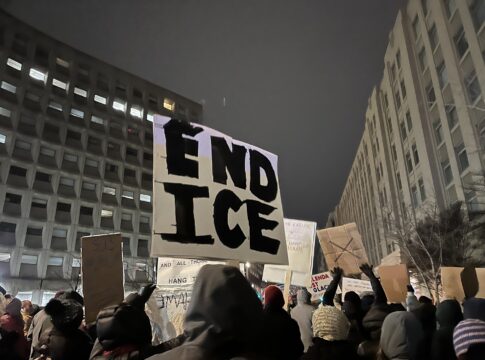
While one student faced consequences for supporting immigration enforcement, the National Education Association approved spending $1.7 million to assist organizations protesting ICE operations. The funding commitment represents a significant financial investment by the nation’s largest teachers union into political activism opposing federal immigration enforcement. The allocation supports groups organizing demonstrations, legal challenges, and public campaigns against ICE policies and operations. Critics note the disparity between punishing student speech supporting law enforcement while institutional resources flow to opposition movements targeting the same agency.
Constitutional Questions About Campus Speech
The contrasting treatment of pro-ICE and anti-ICE expression highlights ongoing debates about viewpoint discrimination in educational institutions. Legal experts note that public schools cannot constitutionally punish students for political speech based on disagreement with the message’s content. The situation raises questions about whether educational institutions apply consistent standards or favor particular political viewpoints. The incident adds to growing concerns among parents about how schools handle controversial topics and whether students receive equal treatment regardless of their political perspectives on issues like immigration enforcement and border security.