
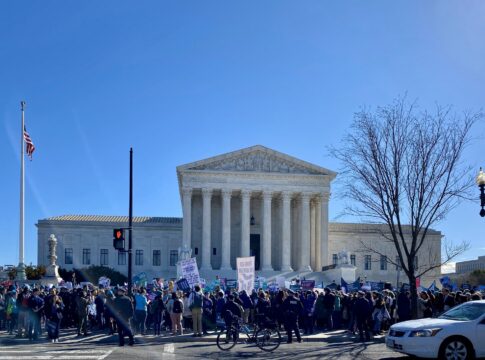
The Supreme Court heard arguments Monday in a case that could determine whether Americans retain the right to sue Bayer over claims that its Roundup weed killer causes cancer, a decision that could reshape corporate liability and consumer protections nationwide.
The Case That Started It All
The lawsuit stems from a 2018 case involving a San Francisco school groundskeeper diagnosed with terminal non-Hodgkin lymphoma after years of using Roundup. The worker said he was once drenched in the pesticide when his sprayer malfunctioned. He subsequently developed lesions and rashes across his body before receiving his cancer diagnosis. A jury awarded him $289 million, later reduced to $20.4 million after appeals, sparking thousands of similar lawsuits against the chemical giant.
Corporate Defense Versus State Rights
Bayer now seeks to block future lawsuits entirely, arguing that companies should not face state-level legal action when they comply with federal labeling requirements. The company maintains Roundup is safe, pointing to a 2020 Environmental Protection Agency conclusion that glyphosate is not likely carcinogenic to humans. Bayer CEO Bill Anderson stated earlier this year that the legal system should not punish companies for following federal regulations. The justices will decide whether federal approval shields corporations from state-based product liability claims.
Political Stakes Rising
The case arrives as the Make America Healthy Again movement gains momentum among voters concerned about food safety and chemical exposure. Supporters of the movement view the lawsuit as central to their midterm election strategy, arguing that Americans deserve the right to hold corporations accountable when products allegedly harm their health. The Court’s ruling, expected in June, could either preserve state-level consumer protections or establish broad corporate immunity when federal agencies approve products. The decision will affect not only Roundup litigation but potentially set precedent for countless other product liability cases across the nation.