
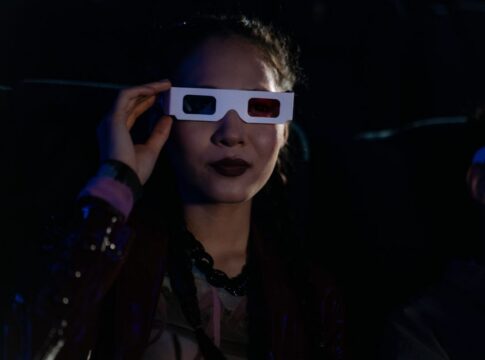
Photo: cottonbro studio / Pexels
By National News Daily Newsroom, Entertainment Desk — Published November 5, 2026
Table of Contents
- Key Takeaways
- The Background & Context
- Why This Matters
- Reactions & Analysis
- What Happens Next
- Frequently Asked Questions
Time marches on, and 2026 is poised to deliver a sobering reminder of just how quickly the years slip by. A collection of culture moments turning 20 next year will make even the youngest millennials pause to reckon with the passage of time. From breakthrough entertainment releases to seismic shifts in how Americans consumed movies, TV, and streaming content, the year 2006 marked a pivotal chapter in pop culture history that continues to shape our media landscape today.
The approaching two-decade milestone invites reflection on an era when flip phones still dominated pockets, social media was in its infancy, and the battle between physical media and digital downloads was heating up. These anniversaries serve as cultural touchstones, reminding us how rapidly technology and taste have evolved while certain moments remain frozen in collective memory.
As we prepare to mark these milestones, the entertainment industry itself has transformed beyond recognition. The streaming revolution that began taking shape around that time has fundamentally altered how Americans engage with content, while the global exchange of cultural influence—from K-pop’s rise to Hollywood’s international reach—has created a more interconnected pop culture ecosystem than anyone in 2006 could have imagined.
Key Takeaways
- Multiple significant pop culture moments from 2006 will reach their 20th anniversary in 2026, marking a generational shift in entertainment history
- The year 2006 represented a transitional period in American media consumption, bridging traditional and digital entertainment formats
- These anniversaries highlight how quickly technology and cultural tastes evolve while certain moments remain culturally significant
- The entertainment landscape of 2006 laid groundwork for today’s streaming-dominated, globally interconnected pop culture environment
- Nostalgia for early-2000s culture continues to influence contemporary entertainment trends and consumer preferences
The Background & Context
The year 2006 occupies a unique position in American cultural history. It was a hinge moment when the old guard of entertainment met the vanguard of digital revolution. DVDs still reigned supreme in home video, yet iTunes had already begun reshaping how people purchased music. Television networks commanded massive audiences, but YouTube—launched just months earlier—was beginning to democratize video content creation.
During this period, the American entertainment industry was experiencing profound transformation. Movie studios were learning to navigate the internet age. Television networks faced new competition from cable upstarts and emerging platforms. The music industry struggled with declining physical sales while grappling with digital piracy and legal download services.
Pop culture in 2006 reflected a nation still processing the post-9/11 world while embracing new technologies. Cell phones were becoming ubiquitous, but smartphones remained rare. Social networking existed through MySpace and the newly opened Facebook, yet Instagram, Twitter, and TikTok were years away. This context makes the culture moments turning 20 in 2026 particularly poignant—they represent the last gasp of pre-smartphone, pre-streaming American pop culture.
The global entertainment landscape was also shifting. While Hollywood dominated worldwide box office receipts, international influences were beginning to permeate American consciousness in new ways. The seeds of today’s globally interconnected pop culture were being planted, though few recognized it at the time. Korean culture, for instance, was building momentum that would eventually explode into the mainstream American consciousness through K-pop and Korean cinema.
Why This Matters
These 20-year anniversaries matter because they force a reckoning with how dramatically American life has changed in what feels like a blink. For millennials who came of age during this era, these milestones mark the transition from youth to middle age. For younger generations, they offer historical context for understanding how today’s entertainment ecosystem emerged.
The nostalgia industry has become big business. Streaming platforms mine decades-old properties for reboots and revivals. Fashion cycles through Y2K aesthetics. Music producers sample early-2000s hits. Understanding which moments from 2006 still resonate helps explain what Americans value in their cultural heritage and what they’re willing to pay to revisit.
These anniversaries also illuminate how quickly technological change can reshape daily life. In 2006, streaming video was barely viable for most Americans due to bandwidth limitations. Today, streaming services are the primary way millions consume entertainment. This rapid transformation has implications beyond entertainment—it demonstrates how quickly industries can be disrupted and how adaptable consumers must be.
For the entertainment industry itself, these milestones provide opportunities for anniversary promotions, special editions, and retrospective content. Studios and networks can capitalize on nostalgia while introducing classic properties to new audiences. This creates economic value while preserving cultural memory.
The broader significance lies in understanding generational identity. Shared cultural experiences bind generations together. The pop culture of 2006 defines a specific cohort’s formative years, shaping their tastes, references, and worldview. As these moments turn 20, they transition from recent memory to established history, worthy of scholarly examination and cultural preservation.
Reactions & Analysis
Cultural observers have noted the accelerating nostalgia cycle in American entertainment. What once took 30 or 40 years to become “retro” now happens in 15 to 20. The early-2000s aesthetic has already experienced a revival among younger consumers who weren’t alive to experience it firsthand. This compressed nostalgia timeline reflects both the pace of technological change and the internet’s role in preserving and recirculating cultural artifacts.
Entertainment industry analysts point to these anniversaries as marketing opportunities. Anniversary editions, reunion specials, and retrospective documentaries generate revenue while requiring minimal creative risk. Established properties with built-in audiences offer safer bets than original content in an increasingly fragmented media landscape.
Academic researchers studying pop culture note that 2006 represents a crucial transitional period. The entertainment consumed that year exists in a digital limbo—too recent to be considered vintage, too old to feel contemporary. This creates unique challenges for preservation and access. Some content from this era is readily available on streaming platforms; other material has become surprisingly difficult to find legally.
Social media reactions to early-2000s nostalgia reveal generational divides. Millennials express genuine nostalgia for their formative years. Gen Z discovers this content as historical artifact, often through curated clips and memes. Older generations view it as relatively recent, struggling to accept that two decades have passed. These varied perspectives demonstrate how subjective time perception shapes cultural memory.
What Happens Next
The entertainment industry will undoubtedly capitalize on these 20th anniversaries throughout 2026. Expect special screenings, anniversary merchandise, cast reunions, and retrospective content across platforms. Studios and networks have learned that nostalgia sells, particularly when paired with social media buzz and limited-edition offerings.
Streaming platforms will likely feature prominent placement for content turning 20, introducing classic properties to subscribers who missed them originally. This creates opportunities for intergenerational viewing experiences as parents share formative entertainment with their children. The cycle of cultural transmission continues, mediated now by on-demand technology rather than scheduled broadcasts or video store visits.
The nostalgia wave may also inspire new creative works influenced by early-2000s aesthetics and storytelling. Just as Stranger Things mined 1980s pop culture for inspiration, future productions may draw from 2006’s cultural landscape. This creates a feedback loop where past influences present, which eventually becomes past itself.
Looking further ahead, these anniversaries prompt questions about cultural preservation in the digital age. As physical media becomes obsolete, ensuring long-term access to entertainment history grows more complex. Streaming licenses expire. Platforms shutter. Digital rights management creates barriers. The pop culture of 2006 exists in a vulnerable state—digitized but not necessarily preserved, accessible but not guaranteed.
The broader trend suggests that nostalgia cycles will continue accelerating. In another 20 years, today’s pop culture will feel equally distant. Understanding this pattern helps contextualize how Americans process change and seek comfort in familiar cultural touchstones during uncertain times.
Frequently Asked Questions
Why do 20-year anniversaries feel particularly significant?
Twenty years represents a generational marker—long enough for substantial change yet recent enough to remain in living memory for many adults. It’s the point where youth culture becomes established history, triggering nostalgia among those who experienced it while offering historical perspective for younger audiences. The milestone also provides natural opportunities for reflection, reunion, and commercial exploitation of cultural properties.
How has entertainment consumption changed since 2006?
The transformation has been dramatic. In 2006, Americans primarily consumed entertainment through scheduled television broadcasts, movie theaters, and physical media like DVDs. Streaming was nascent, smartphones didn’t exist, and social media was limited. Today, on-demand streaming dominates, physical media is nearly obsolete, and mobile devices serve as primary entertainment screens for millions. This shift has fundamentally altered how content is produced, distributed, and monetized.
Will these pop culture moments from 2006 remain relevant?
Relevance varies by property. Some entertainment becomes timeless, continually finding new audiences across generations. Other content remains frozen in its era, interesting primarily as historical artifact. Streaming platforms and social media help keep older content circulating, but cultural tastes evolve. What resonates often depends on universal themes, quality of execution, and continued commercial support from rights holders willing to keep properties accessible.
How does nostalgia influence the entertainment industry?
Nostalgia has become a powerful commercial force. Studios and networks recognize that established properties with built-in audiences represent lower financial risk than original content. This drives reboots, revivals, anniversary editions, and retrospective content. While this can provide comfort and continuity for audiences, it also raises concerns about creative stagnation and the industry’s willingness to take chances on new ideas. The balance between honoring the past and creating the future remains an ongoing challenge.
As 2026 approaches and these cultural milestones arrive, Americans will have another opportunity to reflect on how quickly time passes and how profoundly their entertainment landscape has transformed. These anniversaries serve as markers not just of aging, but of technological revolution, shifting tastes, and the enduring human need to preserve and revisit the stories that shaped us. Whether you feel old or simply amazed at the pace of change, these moments remind us that pop culture isn’t frivolous—it’s the shared language through which generations understand themselves and each other.