
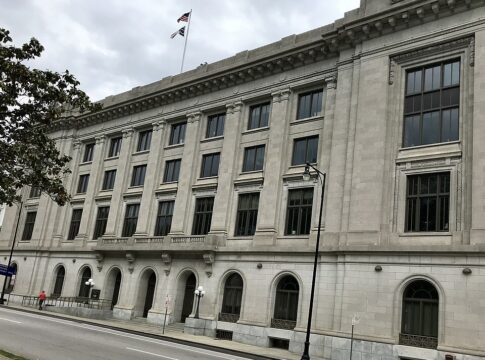
A federal appeals court dismissed a high-profile constitutional challenge to Trump administration deportation powers Thursday after the government removed all three plaintiffs from the country using standard legal procedures, avoiding what could have been a landmark Supreme Court ruling on executive authority.
Case Rendered Moot by Deportations
The U.S. Court of Appeals dismissed the lawsuit involving alleged Venezuelan gang members after the Trump administration deported all three plaintiffs through alternative legal channels. Judge Jennifer Walker Elrod wrote that the development was proper, noting the Supreme Court had explicitly stated the government could remove the individuals under existing laws. The plaintiffs’ attorneys had no valid objections to the removal procedures used, according to the ruling.
The case centered on the administration’s controversial attempt to invoke the Alien Enemies Act, an obscure statute rarely used in modern immigration enforcement. Last year, the Supreme Court blocked the immediate removal of alleged gang members affiliated with a Venezuelan criminal organization, requiring the government to provide them an opportunity to challenge their deportation. The case returned to the appeals court in September, where a three-judge panel ruled against the Trump administration’s position.
Conservative Court Declines Substitution Request
The full 17-member appeals court, widely regarded as the most conservative federal circuit in the nation, agreed in January to rehear the case at the administration’s request. However, Thursday’s ruling rejected lawyers’ attempts to substitute new plaintiffs for the deported men, effectively closing the door on further litigation. This procedural decision prevented the constitutional questions from advancing back to the Supreme Court for a definitive ruling on presidential deportation authority under the Alien Enemies Act.
Administration Strategy Largely Abandoned
The dismissal highlights how the Trump administration’s effort to revive the Alien Enemies Act as a deportation tool has largely failed to gain traction in federal courts. By deporting the plaintiffs through conventional legal authorities rather than defending the controversial statute, the government avoided a potentially unfavorable precedent that could have limited executive power in immigration enforcement. The ruling likely postpones any Supreme Court decision on the statute’s constitutionality indefinitely, leaving unresolved questions about presidential authority during immigration crises and the appropriate balance between swift enforcement action and due process protections for individuals facing removal from the United States.
Sources
Nbcnews: Appeals court dodges major ruling on Trump’s contentious use of obscure deportation law