
By National News Daily Newsroom, Politics Desk — Published November 11, 2026
Table of Contents
- Key Takeaways
- The Background & Context
- Why This Matters
- Reactions & Analysis
- What Happens Next
- Frequently Asked Questions
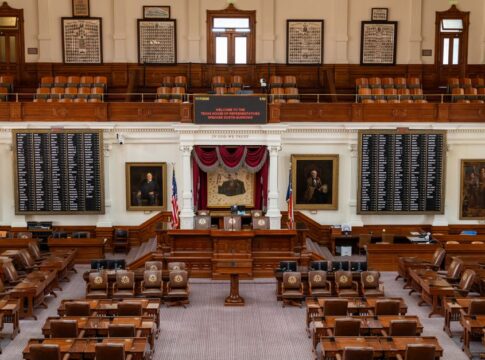
The House of Representatives is poised for a pivotal day of politics and parliamentary maneuvering as lawmakers prepare to watch live House proceedings unfold on two critical fronts. Members are expected to cast a preliminary vote on impeachment proceedings against a prominent administration official, while simultaneously, the Republican Party is set to elect new leadership in the wake of electoral setbacks that have reshaped the balance of power in Congress.
The dual developments mark a significant moment in American politics. On one track, impeachment machinery grinds forward with a vote looming on charges against a cabinet member. On another, the GOP is reorganizing its ranks, selecting Jim Jordan as its new leader as the party seeks to rebuild its strategy and messaging following disappointing midterm election results.
These parallel storylines underscore the turbulent state of contemporary legislative politics, where accountability battles and internal party restructuring collide in a single day’s calendar. For voters and taxpayers, the outcome of both proceedings will shape the legislative agenda and political landscape for months to come.
Key Takeaways
- House members are expected to hold a preliminary vote on impeachment proceedings, marking a significant escalation in congressional oversight efforts.
- The Republican Party has elected Jim Jordan as its new minority leader as the GOP works to regroup and rebuild following midterm election losses.
- The official facing potential impeachment has denounced the proceedings as a “political spectacle,” signaling a combative defense strategy.
- The leadership change within the Republican caucus reflects broader efforts to recalibrate party direction and messaging in the aftermath of electoral setbacks.
- Both developments are unfolding simultaneously, creating a complex political environment that will test congressional procedures and party unity.
- The preliminary vote represents an early step in what could become a lengthy and contentious impeachment process.
The Background & Context
Impeachment proceedings in the House of Representatives are among the most serious constitutional tools available to Congress. They represent the legislative branch’s check on executive power, designed by the framers to hold officials accountable for serious misconduct. A preliminary vote serves as an initial test of support, gauging whether there is sufficient backing among members to move forward with formal articles of impeachment.
The current proceedings target a cabinet-level official, a relatively rare occurrence in American political history. While presidential impeachments capture the most attention, the Constitution grants Congress the authority to impeach any civil officer of the United States. The threshold for such action is high: “Treason, Bribery, or other high Crimes and Misdemeanors.”
Simultaneously, the Republican Party finds itself in a period of transition and self-examination. Midterm elections delivered results that fell short of GOP expectations, prompting a leadership shakeup. The selection of Jim Jordan represents a choice with significant implications for the party’s direction. Jordan, a prominent conservative voice and skilled political operator, brings a particular style and ideological bent to the leadership role.
The timing of these two events is not coincidental but rather reflects the compressed, high-stakes nature of modern congressional politics. Parties must manage internal organization while simultaneously pursuing their legislative and oversight agendas. For Republicans, this means navigating leadership transitions while participating in impeachment deliberations that could define their relationship with the administration and their appeal to voters.
Why This Matters
For American citizens, these developments carry profound implications. Impeachment is not merely political theater; it is a constitutional mechanism that can remove officials from office and reshape government. When Congress exercises this power, it affects the functioning of federal agencies, the implementation of policies, and the public’s trust in democratic institutions.
The preliminary vote serves as a barometer of political will. Will members vote along party lines, or will some break ranks? The answer reveals much about the strength of evidence, the persuasiveness of arguments, and the political calculations that drive legislative behavior. Taxpayers fund these proceedings, and they deserve to know whether impeachment is pursued for legitimate constitutional reasons or partisan advantage.
The selection of new Republican leadership matters equally. Jordan’s elevation signals the ideological direction the party will take as it prepares for future elections and legislative battles. His approach to governance, his relationship with various factions within the GOP, and his strategy for opposing or cooperating with the majority party will influence everything from campaign legislation to budget negotiations.
These twin developments also affect the legislative calendar. Time spent on impeachment is time not spent on other priorities. Bills addressing infrastructure, healthcare, education, and economic policy compete for attention with oversight and political positioning. Citizens waiting for Congress to address pressing national challenges must contend with the reality that political conflicts consume significant congressional bandwidth.
Reactions & Analysis
The official facing impeachment has not remained silent. According to reports, he has slammed the potential impeachment as a “political spectacle,” framing the proceedings as partisan theater rather than legitimate oversight. This defensive posture is typical of impeachment targets, who often seek to delegitimize the process itself as a means of rallying political support and casting doubt on their accusers’ motives.
Such rhetoric serves multiple purposes. It energizes political allies who view the proceedings with skepticism. It plants seeds of doubt among undecided observers. And it shifts the narrative from the substance of allegations to the process itself. Whether this strategy proves effective depends on the strength of the case against him and the willingness of lawmakers to look beyond partisan talking points.
Within the Republican caucus, Jordan’s selection as leader reflects a particular calculation about what the party needs at this moment. His supporters view him as a principled conservative who can articulate the party’s vision and hold the line against political opponents. His critics, even within his own party, may worry about whether his approach will broaden the GOP’s appeal or narrow it further.
The House GOP’s decision to elect new leadership following midterm disappointments suggests recognition that change is necessary. Whether personnel changes alone can address deeper strategic and messaging challenges remains an open question. Parties in transition often struggle to balance continuity with innovation, loyalty with accountability.
What Happens Next
If the preliminary vote succeeds, the impeachment process will advance to the next phase. Committees will likely conduct hearings, gather evidence, and draft formal articles of impeachment. This process can take weeks or months, depending on the complexity of allegations and the political will to proceed. Eventually, the full House would vote on whether to impeach, requiring a simple majority.
Should impeachment articles pass the House, the matter would move to the Senate for trial. There, a two-thirds majority is required for conviction and removal from office. This high bar makes removal difficult, particularly in a polarized political environment where party loyalty often trumps other considerations. Historical precedent shows that impeachment trials are as much political as legal proceedings.
For Jordan and the newly configured Republican leadership, the immediate challenge is establishing credibility and direction. They must navigate the impeachment debate while also positioning the party for future electoral contests. This requires balancing the demands of the party’s base with the need to appeal to swing voters and independents who will determine election outcomes.
The broader question is whether these proceedings will affect public confidence in government institutions. Impeachment, when pursued carefully and for legitimate reasons, can strengthen accountability. When perceived as partisan warfare, it can deepen cynicism and erode trust. The manner in which lawmakers conduct themselves in coming weeks will shape public perception and potentially influence electoral behavior.
Frequently Asked Questions
What is a preliminary impeachment vote?
A preliminary vote is an initial test to gauge support among House members for moving forward with impeachment proceedings. It is not the final impeachment vote itself, but rather an early procedural step that determines whether the House will formally pursue articles of impeachment. This vote helps leadership understand whether there is sufficient backing to justify the time and resources required for a full impeachment inquiry.
Why did Republicans choose Jim Jordan as their new leader?
According to reports, House Republicans elected Jim Jordan as their new leader as the party works to rebuild following disappointing midterm election results. The choice reflects a desire for new direction and leadership style as the GOP reassesses its strategy and positioning. Jordan’s selection signals particular ideological priorities and approaches to legislative combat that the caucus believes will serve its interests.
What does calling impeachment a “political spectacle” mean?
When the official facing potential impeachment characterized the proceedings as a “political spectacle,” he was arguing that the impeachment effort is driven by partisan motivations rather than legitimate constitutional concerns. This framing attempts to delegitimize the process by suggesting it is theater designed for political advantage rather than a serious exercise of congressional oversight authority. Such characterizations are common defensive tactics in impeachment battles.
How does impeachment affect regular legislative business?
Impeachment proceedings consume significant congressional time, attention, and resources that might otherwise be devoted to passing legislation on policy priorities. Committee hearings, floor debates, and the political energy surrounding impeachment can slow or halt work on bills addressing issues like healthcare, infrastructure, or economic policy. This creates tension between Congress’s oversight responsibilities and its lawmaking functions, forcing difficult choices about how to allocate limited legislative bandwidth.
As the House prepares for these consequential votes, Americans are reminded that democracy is often messy, contentious, and unpredictable. The coming hours and days will test constitutional mechanisms, political loyalties, and the capacity of elected officials to balance partisan interests with institutional responsibilities. Whether these proceedings strengthen or weaken public faith in government depends largely on how seriously lawmakers take their oaths and obligations.