Photo: Darya Sannikova / Pexels
By National News Daily Newsroom, Entertainment Desk — Published September 22, 2026
Table of Contents
- Key Takeaways
- The Background & Context
- Why This Matters
- Reactions & Analysis
- What Happens Next
- Frequently Asked Questions
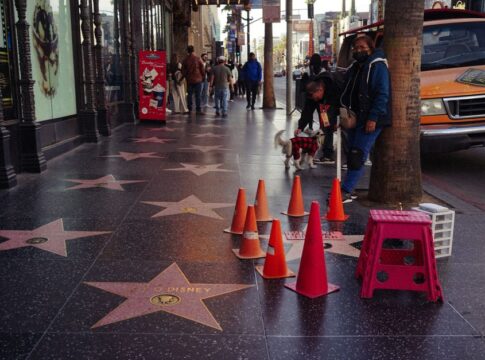
Hollywood’s biggest names are staying conspicuously silent as the Trump administration ramps up its deportation messaging. American culture icons—the actors, musicians, and entertainment industry leaders who typically dominate public discourse—have largely avoided weighing in on the administration’s immigration enforcement efforts, a striking departure from the vocal activism that defined much of the previous decade. The quiet is deafening in an era when celebrity political engagement has become the norm.
This calculated distance comes at a moment when immigration policy sits at the center of American political debate. The entertainment industry, long considered a progressive stronghold, appears to be recalibrating its relationship with political controversy. Whether driven by business concerns, audience fatigue, or strategic repositioning, the silence marks a notable shift in how pop culture figures engage with contentious policy issues.
The phenomenon raises questions about the evolving role of celebrity activism in American public life. Are stars genuinely stepping back from politics, or are they simply picking their battles more carefully? The answer may reshape how entertainment and civic engagement intersect in the years ahead.
Key Takeaways
- Major American culture icons in entertainment are avoiding public commentary on Trump administration deportation policies, breaking from recent patterns of celebrity activism
- The silence represents a notable shift in how Hollywood and the broader entertainment industry engage with controversial political issues
- Democrats hold an 11-point lead for House control according to recent Quinnipiac polling, suggesting broader political dynamics at play
- The entertainment industry’s retreat from immigration debate coincides with heightened political polarization around deportation enforcement
- This trend may signal a recalculation of the risks and benefits of celebrity political engagement in today’s media landscape
The Background & Context
Celebrity political activism reached fever pitch during the first Trump administration. Stars leveraged their platforms to speak out on everything from immigration to climate change. Award shows became political forums. Social media posts from A-listers drove news cycles. The entertainment industry positioned itself as a counterweight to policies it opposed.
That era feels distant now. The current landscape shows far less celebrity engagement on immigration enforcement, even as the Trump administration pursues aggressive deportation policies. The contrast is stark. Where once red carpet interviews routinely touched on political hot topics, today’s publicity circuits steer clear.
Several factors may explain this shift. Streaming services have fragmented audiences in ways traditional networks never did. Studios now chase global markets where American political controversies hold less appeal. The business calculus has changed. A controversial political stance can alienate portions of an increasingly divided viewership.
Box office returns and streaming metrics have become more sensitive to political backlash. Entertainment executives watch these numbers closely. They see how political statements can trigger boycotts or social media pile-ons. The financial stakes of celebrity activism have grown more apparent and more immediate.
Meanwhile, polling data suggests the political landscape itself is shifting. Recent Quinnipiac surveys show Democrats holding an 11-point advantage for House control, indicating complex currents in voter sentiment. These numbers suggest Americans are processing immigration debates through partisan lenses that may not align neatly with celebrity messaging.
Why This Matters
The retreat of pop culture figures from immigration debate carries real consequences for American civic life. Celebrities have historically amplified marginalized voices and brought attention to issues that might otherwise remain in policy shadows. Their absence leaves a void in public discourse.
For millions of Americans, entertainment figures serve as cultural touchstones. They shape conversations around dinner tables and water coolers. When they go silent on major policy issues, it affects how those issues penetrate public consciousness. Immigration enforcement becomes an abstraction rather than a human story.
The entertainment industry’s silence also reflects broader anxieties about free speech and professional consequences. If Hollywood’s most powerful figures feel constrained in their political expression, what does that signal to ordinary citizens? The chilling effect extends beyond celebrity circles.
Economically, the stakes are substantial. The entertainment sector employs hundreds of thousands of workers, many from immigrant backgrounds. Studios, streaming platforms, and production companies navigate complex relationships with diverse talent pools and audiences. Their political positioning—or lack thereof—affects real livelihoods and community dynamics.
This moment tests whether celebrity activism was ever truly effective or merely performative. If stars retreat when political winds shift, it suggests their engagement was more about brand management than genuine advocacy. That revelation could fundamentally alter how Americans view celebrity political participation.
Reactions & Analysis
The silence itself has become a story. Media observers note the absence of celebrity voices that dominated previous news cycles. Entertainment journalists report difficulty securing political commentary from stars who once readily offered opinions. Publicists increasingly steer clients away from controversial topics.
Some analysts view this as strategic wisdom. They argue that celebrity political engagement often backfired, creating more heat than light. The entertainment industry, in this view, is simply learning from past mistakes. Stars who waded into political waters found themselves mired in controversies that overshadowed their professional work.
Others see something more troubling. They argue that the retreat represents capitulation to political pressure and economic intimidation. When cultural leaders go silent, they abandon their platforms and the people who looked to them for moral leadership. The cost of that silence may not be immediately visible but could prove significant over time.
Political strategists are watching closely. Democrats, who have historically counted on Hollywood support, must recalibrate their messaging strategies. Republicans, meanwhile, have seized on celebrity silence as vindication of their policies. The absence of opposition from cultural elites gets interpreted as tacit acceptance.
What Happens Next
The entertainment industry’s relationship with political activism appears to be entering a new phase. Studios and streaming services will likely continue prioritizing business considerations over political positioning. That means less institutional support for celebrity activism, even when individual stars feel compelled to speak out.
Immigration policy will remain a flashpoint regardless of celebrity engagement. The human consequences of deportation enforcement continue unfolding in communities across America. Whether those stories reach mainstream consciousness without celebrity amplification remains an open question.
Younger generations of entertainers may chart different courses. Rising stars who built careers through social media have different relationships with their audiences than traditional Hollywood figures. They may prove more willing—or more compelled—to engage politically, even when established names stay quiet.
The polling data showing Democratic advantages in House races suggests immigration policy will remain politically contested. If control of Congress shifts, it could embolden celebrities to reengage. Alternatively, continued polarization might deepen the entertainment industry’s retreat from political controversy.
Ultimately, this moment will test whether American pop culture can maintain its influence while avoiding political engagement. The two may prove inseparable. Culture reflects and shapes values. When cultural leaders refuse to engage with the most pressing issues of the day, they risk irrelevance.
Frequently Asked Questions
Why are celebrities staying quiet about Trump administration immigration policies?
Multiple factors drive this silence. Business concerns loom large as entertainment companies chase global audiences and fear alienating portions of their viewership. Many celebrities learned from previous controversies that political engagement can overshadow professional work and trigger backlash. The fragmented media landscape and heightened polarization have made political statements riskier from both financial and reputational standpoints.
How does this compare to celebrity activism during the first Trump administration?
The contrast is dramatic. During the first Trump administration, celebrities routinely used award shows, social media, and interviews to criticize policies including immigration enforcement. Red carpets became political forums. Today’s entertainment landscape shows far less engagement, with publicists actively steering stars away from controversial political topics and studios prioritizing business considerations over political positioning.
What impact does celebrity silence have on immigration debates?
Celebrity voices historically amplified stories of affected communities and brought human dimensions to policy debates. Their absence means immigration enforcement may remain more abstract in public consciousness, with fewer emotional narratives reaching mainstream audiences. This affects how Americans understand and engage with the issue, potentially making it easier for policies to proceed without widespread public scrutiny or opposition.
Could celebrities reengage on immigration issues in the future?
The possibility remains open, particularly if political dynamics shift or younger entertainers with different audience relationships choose to speak out. Changes in congressional control or major policy developments could prompt renewed celebrity engagement. However, the current trend suggests the entertainment industry has fundamentally recalculated the risks and benefits of political activism, making a return to previous levels of engagement uncertain.
The entertainment industry’s silence on deportation policies marks more than a tactical retreat. It signals a fundamental reconsideration of how American culture icons engage with the most contentious issues facing the nation. Whether this proves a temporary pause or permanent shift will shape both politics and pop culture for years to come.