
Photo: KoolShooters / Pexels
By National News Daily Newsroom, Entertainment Desk — Published September 21, 2026
Table of Contents
- Key Takeaways
- The Background & Context
- Why This Matters
- Reactions & Analysis
- What Happens Next
- Frequently Asked Questions
The cultural landscape of the 1970s continues to resonate across today’s entertainment ecosystem, from streaming platforms to bookstores. NPR’s Pop Culture Happy Hour has turned its critical lens toward classics from that transformative decade, inviting audiences to revisit—or discover for the first time—the music, literature, and films that shaped modern pop culture. This isn’t mere nostalgia. It’s a timely reminder that the classics we should listen to and read now offer more than historical curiosity; they provide essential context for understanding contemporary entertainment.
The program’s recent focus reflects a broader trend in American media consumption. Audiences increasingly seek substance amid the deluge of new releases. Vintage works from the 1970s, whether albums, novels, or movies, deliver craftsmanship and thematic depth that feel both refreshing and relevant. The decade gave us everything from groundbreaking singer-songwriters to young adult literature that tackled taboo subjects with unprecedented honesty.
Pop Culture Happy Hour has also examined how classic works translate to modern adaptations, exploring whether beloved source material can survive the journey to screen. The intersection of old and new raises questions about artistic fidelity, cultural preservation, and what we lose—or gain—when we reimagine the past for present-day audiences.
Key Takeaways
- NPR’s Pop Culture Happy Hour has spotlighted 1970s classics across music, literature, and film as essential listening and reading for contemporary audiences.
- The program explores how vintage entertainment from the decade continues to influence modern pop culture, streaming choices, and creative output.
- Recent episodes have examined both original 1970s works and contemporary adaptations of classic material, including beloved young adult literature.
- The focus on decades-old content reflects growing audience appetite for substantive, enduring works amid an oversaturated entertainment market.
- Musical artists continue to draw inspiration from 1970s sounds, with new releases incorporating the era’s aesthetic and emotional sensibilities.
- Classic literature from the period, particularly coming-of-age stories, remains culturally significant and adaptable for new generations of readers and viewers.
The Background & Context
The 1970s represented a watershed moment in American entertainment. The decade saw the collapse of old Hollywood studio systems and the rise of auteur filmmakers. Music splintered into diverse genres. Literature for young readers matured dramatically.
Pop Culture Happy Hour has built its reputation on thoughtful analysis of both contemporary releases and cultural phenomena. The NPR program brings together critics and commentators to dissect what we watch, listen to, and read. Their recent attention to 1970s material signals recognition that understanding the past enriches appreciation of the present.
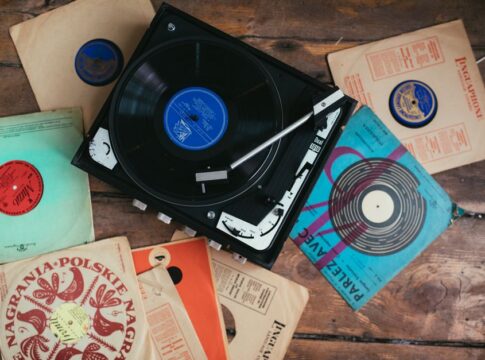
The program’s examination of classic works comes at a moment when streaming services compete fiercely for subscriber attention. Platforms increasingly mine back catalogs, remastering and promoting older films and albums. Physical media collectors have driven vinyl sales to heights not seen since the format’s supposed obsolescence. Younger audiences discover “new” music that predates their birth by decades.
Book publishers have similarly capitalized on enduring classics, reissuing titles with fresh cover designs and marketing them to multiple generations simultaneously. Young adult literature from the 1970s, once considered controversial, now appears quaint by contemporary standards—yet the emotional honesty that made these books groundbreaking remains powerful.
The cultural recycling isn’t simple nostalgia. It represents a search for quality and authenticity. Audiences fatigued by algorithm-driven recommendations and endless sequels turn to curated suggestions from trusted sources. NPR’s audience, educated and culturally engaged, seeks guidance on what deserves their limited attention.
Why This Matters
For American audiences navigating an overwhelming entertainment landscape, the question of what to consume becomes increasingly urgent. Streaming platforms offer thousands of titles. Music services provide millions of songs. Bookstores stock countless volumes. How does one choose?
Curated recommendations from credible sources serve a vital public function. They help citizens engage with culture thoughtfully rather than passively. Pop Culture Happy Hour’s focus on 1970s classics provides a roadmap through the noise, directing attention toward works of lasting value.
The emphasis on reading and listening—active, engaged forms of consumption—matters in an era of passive scrolling. Books demand concentration. Albums reward attentive listening from start to finish. These experiences differ fundamentally from the fragmented, interrupted consumption patterns that dominate modern media use.
Understanding cultural history also strengthens civic participation. The art we consume shapes our values, vocabulary, and vision of possibility. Works from the 1970s captured a nation grappling with Vietnam, Watergate, economic uncertainty, and social transformation. Those struggles echo in contemporary challenges. Engaging with period art provides perspective on our current moment.
For younger Americans, these classics offer windows into experiences and artistic approaches they might never encounter otherwise. For older generations, revisiting formative works through fresh critical lenses reveals new dimensions. Both groups benefit from the conversation.
Reactions & Analysis
The Pop Culture Happy Hour episodes addressing classic material have sparked conversation among listeners and critics. Social media discussions reveal audiences eager to share their own discoveries and recommendations, creating community around shared cultural touchstones.
The program’s examination of how classic literature adapts to film has proven particularly resonant. When beloved books reach the screen, passionate readers scrutinize every choice. Successful adaptations honor source material while recognizing that different media require different storytelling approaches. The discussion around these adaptations reveals what contemporary audiences value: authenticity, emotional truth, and respect for the intelligence of viewers.
Contemporary artists drawing inspiration from 1970s aesthetics demonstrate the era’s ongoing influence. Musicians incorporate vintage production techniques and songwriting approaches. Filmmakers reference visual styles and narrative structures from the decade. This isn’t mere imitation but creative dialogue across generations.
Cultural critics note that returning to 1970s works also means confronting the period’s limitations. Some material hasn’t aged well. Representation issues, outdated attitudes, and blind spots become visible with historical distance. Engaging with these works critically—acknowledging both their achievements and failures—models the kind of nuanced thinking necessary for cultural literacy.
What Happens Next
The renewed interest in 1970s entertainment shows no signs of waning. Streaming platforms will continue mining archives for content that appeals to multiple demographics. Publishers will keep reissuing classics with contemporary marketing. Artists will draw inspiration from the decade’s creative ferment.
Pop Culture Happy Hour and similar programs will likely expand their historical examinations, recognizing that audiences hunger for context and curation. As new entertainment proliferates exponentially, guidance from trusted voices becomes more valuable, not less.
Educational institutions may increasingly incorporate classic pop culture into curricula, recognizing these works as legitimate subjects of study. The line between “high” and “popular” culture continues to blur, with serious critical attention paid to forms once dismissed as ephemeral.
The conversation between past and present will intensify. Each generation reinterprets classic works through its own lens, finding new meanings and applications. This ongoing dialogue enriches both the original material and contemporary culture, creating continuity across decades of American life.
Technology will facilitate access to vintage material while potentially altering the experience. Vinyl records sound different from digital streams. Physical books offer experiences distinct from e-readers. How we consume culture shapes what we take from it. The format debates will continue.
Frequently Asked Questions
Why focus on 1970s entertainment specifically?
The 1970s represented a unique creative period when traditional industry structures broke down and artists enjoyed unusual freedom. The decade produced groundbreaking work across music, film, and literature that continues to influence contemporary entertainment. Additionally, enough time has passed to evaluate these works with historical perspective while many remain accessible and relevant to modern audiences.
How can I access the classics being discussed?
Most 1970s music is available on streaming platforms like Spotify and Apple Music, with vinyl reissues widely available for collectors. Classic films stream on services including the Criterion Channel, HBO Max, and others, while many are available for rental. Books from the period remain in print through major publishers, available in bookstores, libraries, and as e-books.
Are these old works still relevant to younger audiences?
Absolutely. While specific cultural references may require context, the fundamental human experiences explored in quality art transcend their creation date. Young audiences often discover that themes of identity, belonging, loss, and growth in 1970s works resonate powerfully with their own lives. The different perspective and aesthetic can actually feel refreshing compared to contemporary entertainment.
How do adaptations of classic books compare to originals?
Successful adaptations honor the spirit and themes of source material while recognizing that film and literature are different media with distinct strengths. The best adaptations capture emotional truth rather than attempting literal translation. Viewers benefit from experiencing both versions, as each offers unique insights and pleasures that complement rather than replace each other.
In an age of endless options and shrinking attention spans, the call to revisit 1970s classics represents more than nostalgia. It’s an invitation to engage with culture thoughtfully, to understand where we’ve been as we navigate where we’re going. The conversation between past and present enriches both.