
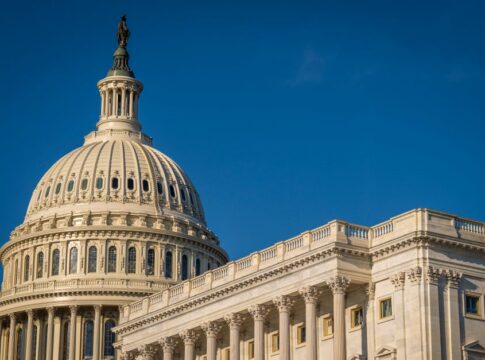
The House of Representatives canceled Thursday votes and sent lawmakers home for more than six weeks before the 2026 midterm elections, sparking sharp criticism from Republicans who say Congress is abandoning its constitutional duties to focus on campaigning instead.
Six-Week Exodus From Washington
Speaker Mike Johnson defended the decision to adjourn until after the November elections, telling reporters that the House has completed its work and members need to return to their districts. Before leaving, the House will vote on legislation imposing new sanctions on Russia and shielding consumers from data center energy costs. Johnson previously canceled votes for the final two weeks of September, bringing the total canceled voting days this Congress to at least 63.
Representative Ralph Norman, a South Carolina Republican, called the cancellations unacceptable on social media. Norman argued the Founders never envisioned lawmakers taking extensive time off while collecting taxpayer-funded salaries. He suggested that if members want to campaign instead of legislating, their campaigns should pay them rather than American taxpayers. Several outstanding issues will remain in limbo until Congress returns after the elections.
Impeachment Effort Dismissed as Publicity Stunt
Johnson dismissed suggestions that Thursday’s cancellation aimed to avoid a vote on impeaching Defense Secretary Pete Hegseth. The Speaker called the impeachment effort a publicity stunt by someone seeking attention, predicting it would be immediately tabled. Representative Thomas Massie told CNN he deliberately concealed his impeachment plan from GOP leaders, fearing they would prevent him from getting floor time to read the articles aloud for over an hour.
Artificial Intelligence Debate Rejected
House Minority Leader Hakeem Jeffries demanded Congress stay in session to address artificial intelligence threats after industry leaders raised alarms about catastrophic risks. Jeffries accused Republicans of completely abandoning their legislative responsibilities on AI policy. Johnson rejected the emergency session request, arguing that nobody knows what AI regulation should look like and that companies should self-police rather than face government red tape. The Speaker favored letting AI companies self-regulate without government intervention slowing innovation.
What This Means
Johnson called a meeting with AI executives and the White House for early next week but emphasized his opposition to hyperregulation. President Trump posted that only a strong president is needed to safeguard AI development. The extended recess highlights tensions between governing responsibilities and campaign priorities, with some Republicans warning that regulations could disadvantage America in its competition with China. Congress has also left spy authority renewal and other critical matters unresolved until after voters cast their ballots.