
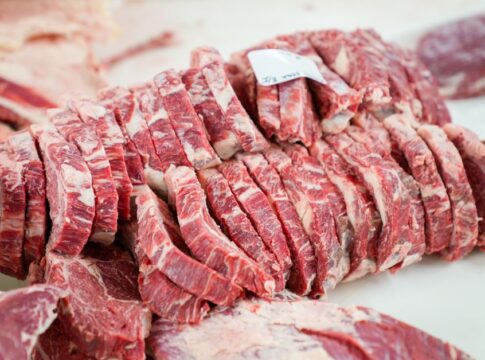
The U.S. Department of Agriculture has recalled nearly 30,000 pounds of raw beef imported from Argentina and sold across Texas and Florida, designating it as a Class I health hazard—the agency’s most serious risk category—despite citing only missed inspections as the official cause.
Highest Risk Classification Raises Questions
The USDA’s Food Safety and Inspection Service issued the recall for beef that allegedly missed required import re-inspections at the border. However, the Class I health hazard designation typically signals potential severe health consequences or death, creating confusion when no specific contaminants were mentioned in the official notice. Food safety expert Dr. Darin Detwiler questioned the apparent contradiction between the bureaucratic explanation and the serious risk classification.
Detwiler, a nationally recognized food safety advocate and professor, noted the unusual nature of the situation. He pointed out that authorities made a deliberate decision to bypass standard border re-inspection protocols, yet assigned the highest possible risk level to the recalled product. The absence of any identified contaminant in official documentation adds another layer of uncertainty to an already puzzling recall announcement.
Timing Coincides With Foreign Beef Import Expansion
The recall emerged within 48 hours of President Trump’s announcement on Truth Social regarding plans to allow 300,000 pounds of foreign beef imports over 90 days at 25 percent below current market prices. The timing sparked debate about inspection protocols and import safety standards. Democratic U.S. Senate candidate James Talarico criticized the foreign beef plan as harmful to Texas cattlemen, calling it a political stunt benefiting foreign competitors over American ranchers.
The USDA has not disclosed which specific retailers sold the recalled Argentine beef, and the distributor involved has not responded to requests for comment. Republican Senate candidate Ken Paxton’s campaign also declined to comment on either the recall or the broader import policy announcement.
Growing Food Safety Concerns
This recall adds to an expanding list of food safety alerts issued throughout the summer months. The lack of transparency regarding which stores carried the affected products leaves consumers in Texas and Florida uncertain about potential exposure. Food safety advocates emphasize the importance of clear communication during recalls, particularly when products receive the highest health risk classification. The situation highlights ongoing tensions between expanded foreign food imports and domestic safety oversight capabilities as inspection resources face increased demands.
Anyway one cuts it, it’s Trump’s doing. This would not be happening if trump wasn’t trying to undercut the ranchers.
Lots of information has NOT been published. The public needs to know WHERE the beef was distributed and to me, a much larger question is why this is just not getting published. Today is 8/20/2026. What date did the beef enter the U.S., EVEN thought it was frozen and it can be in a warehouse for any given period of time, has it hit the market or still in the warehouse. In a warehouse it could still be inspected, on the market, it is gone in a couple of days. A large distribution and 30K of beef is gone in hours.