
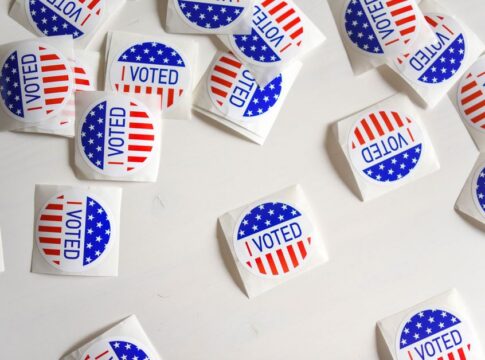
Photo: Element5 Digital / Pexels
By National News Daily Newsroom, Politics Desk — Published November 4, 2026
Table of Contents
- Key Takeaways
- The Background & Context
- Why This Matters
- Reactions & Analysis
- What Happens Next
- Frequently Asked Questions
In a sweeping electoral rebuke that reshaped the American political landscape, Democrats have seized control of the U.S. House of Representatives, delivering a stunning blow to Republican power and ushering in a new chapter of divided government. The victory caps months of intense campaigning and marks a historic shift in the balance of power on Capitol Hill, with voters delivering a clear verdict on the direction of national politics.
The Democrats’ triumph means the party now holds unified control of Congress, a development that fundamentally alters the legislative calculus in Washington. With the House now in Democratic hands, the era of single-party dominance has ended, setting the stage for potential gridlock, renewed oversight battles, and fierce negotiations over the nation’s most pressing challenges.
The election results represent what observers are calling a Republican wipeout in key districts across the country. Democrats tore up the existing political map, flipping seats in traditionally competitive areas and even making inroads in regions once considered safe Republican territory. The magnitude of the shift has sent shockwaves through both parties and raised fundamental questions about coalition-building, voter sentiment, and the future direction of American governance.
Key Takeaways
- Democrats have successfully captured the U.S. House of Representatives, ending Republican control of the chamber and creating a divided Congress.
- The election results constitute what political analysts describe as a Republican wipeout, with Democrats flipping numerous seats across diverse geographic regions.
- Democrats now hold unified control of Congress, fundamentally changing the legislative landscape and oversight capabilities in Washington.
- The shift ushers in a new era of divided government, with implications for legislation, investigations, and executive accountability.
- The electoral outcome represents a historic night that redrew the political map, challenging previous assumptions about district competitiveness and voter coalitions.
- Both parties now face critical strategic decisions about how to govern, negotiate, and position themselves for future electoral contests.
The Background & Context
The path to this electoral transformation began long before voters cast their ballots. For months, campaign strategists, candidates, and party operatives worked to mobilize supporters, define their messages, and compete for every available seat. The House of Representatives, with its 435 members elected every two years, serves as the chamber most directly responsive to shifts in public opinion.
Midterm elections historically function as referendums on the party in power. Voters use these contests to register approval or disapproval of the governing party’s performance, policies, and priorities. The pattern of the president’s party losing House seats in midterm elections is well-established in American political history, though the magnitude of losses varies considerably based on economic conditions, national mood, and campaign effectiveness.
In the lead-up to this election, both parties invested heavily in battleground districts. Democrats focused on expanding their map, targeting not only traditional swing districts but also venturing into areas where demographic shifts, suburban discontent, or local issues created new opportunities. Republicans, meanwhile, worked to defend their majority by emphasizing their legislative accomplishments and attempting to nationalize local races around favorable themes.
The campaign environment featured intense debates over healthcare, economic policy, immigration, and the role of government. Candidates knocked on doors, aired television advertisements, and leveraged social media to reach voters. Outside groups poured millions into competitive races, recognizing that control of the House would determine which party sets the legislative agenda, chairs committees, and exercises oversight powers.
Why This Matters
For ordinary Americans, the shift in House control carries concrete consequences that extend far beyond Washington power struggles. The party that controls the House determines which bills receive hearings, which proposals advance to votes, and which investigations proceed. Committee chairs wield substantial authority to shape policy debates, summon witnesses, and direct resources toward particular priorities.
Divided government typically slows the pace of major legislative change. With Democrats controlling the House and Republicans holding other levers of power, passing significant bills requires bipartisan cooperation and compromise. This dynamic can frustrate partisans on both sides but often forces lawmakers to find common ground on issues where broad consensus exists.
The new Democratic majority gains the power to conduct oversight of the executive branch, including the ability to issue subpoenas, hold hearings, and investigate administration policies and actions. This oversight function represents a fundamental check on executive power, ensuring accountability and transparency in government operations. Citizens can expect more aggressive scrutiny of cabinet departments, regulatory decisions, and presidential conduct.
Budget negotiations and appropriations battles will become more complex under divided control. Every spending bill, every continuing resolution, and every debate over the debt ceiling becomes an opportunity for both parties to extract concessions or highlight their priorities. These fights directly affect government services, federal employees, and programs millions of Americans rely upon for healthcare, education, infrastructure, and social support.
The election results also signal important trends about the American electorate. Voter turnout patterns, demographic shifts, and geographic realignments all provide clues about which issues resonate, which messages work, and how coalitions are evolving. Political professionals in both parties will study these results intensively to inform their strategies for future campaigns and policy positioning.
Reactions & Analysis
Political observers characterized the outcome as a historic night that fundamentally altered the political map. The scope of Democratic gains surprised even some optimistic party strategists, while the depth of Republican losses prompted immediate soul-searching about messaging, candidate recruitment, and policy priorities.
The results were described as a wipeout for Republicans in numerous competitive districts. Democrats succeeded in flipping seats across diverse regions, from suburban areas experiencing demographic change to rural districts where economic anxieties created openings for challengers. The breadth of Democratic victories suggested the party had assembled an effective coalition spanning different geographic and demographic groups.
Analysts noted that Democrats had effectively torn up the existing political map, winning in places where conventional wisdom suggested Republicans held structural advantages. This geographic expansion demonstrates how electoral coalitions can shift rapidly when national conditions favor one party or when effective campaigns exploit local vulnerabilities.
The new era of divided government presents both challenges and opportunities for lawmakers. Some observers predict increased gridlock and partisan warfare, with each party using its institutional power to block the other’s priorities. Others see potential for bipartisan dealmaking on infrastructure, trade, or other issues where common ground exists and both parties face pressure to deliver results.
For voters who supported the change, the results represent accountability in action—the electorate exercising its power to check and balance governmental authority. For those who opposed the shift, the outcome creates anxiety about policy reversals, investigative overreach, and political instability. Both perspectives reflect the high stakes Americans attach to congressional control.
What Happens Next
The incoming Democratic majority will need to elect a Speaker, organize committees, and establish its legislative agenda. These initial decisions will reveal the party’s priorities and signal whether leadership intends to pursue aggressive investigations, focus on popular policy proposals, or attempt a balanced approach combining oversight with legislating.
Committee assignments take on heightened significance with the shift in power. Democrats will chair every committee, selecting which issues receive attention and resources. Expect renewed focus on healthcare affordability, climate policy, voting rights, and economic inequality—issues that animated Democratic campaigns and resonate with the party’s base.
Oversight investigations will likely intensify across multiple fronts. Democratic committee chairs have already signaled interest in examining various aspects of executive branch operations, from financial conflicts to policy implementation to personnel decisions. These investigations could produce significant revelations, political drama, or both.
Legislative productivity may slow as divided government complicates the path for major bills. However, certain policy areas—infrastructure investment, criminal justice reform, prescription drug pricing—offer potential for bipartisan cooperation if leaders prioritize dealmaking over confrontation. Whether such cooperation materializes depends on political calculations, constituent pressure, and the willingness of both parties to compromise.
The election results also set the stage for the next presidential campaign. How the new Congress performs, which issues dominate public attention, and whether divided government produces accomplishments or acrimony will all influence voter attitudes heading into the next election cycle. Both parties understand that their congressional performance affects not just legislative outcomes but also their broader political prospects.
Frequently Asked Questions
What does Democratic control of the House mean for legislation?
Democratic control means the party sets the House legislative agenda, determines which bills receive votes, and chairs all committees. However, passing legislation still requires cooperation with the Senate and executive branch. Expect Democrats to advance proposals on healthcare, climate, and economic policy, though major bills will need bipartisan support to become law under divided government.
How will divided government affect oversight of the executive branch?
Divided government significantly enhances congressional oversight capabilities. Democratic committee chairs can now issue subpoenas, hold hearings, and investigate executive branch actions without Republican gatekeeping. This oversight function serves as a constitutional check on executive power, ensuring accountability and transparency in government operations, though it may also produce partisan conflicts.
Why are these election results considered historic?
The results are considered historic because Democrats achieved a sweeping victory that redrew the political map, winning seats in diverse regions and ending Republican control of the House. The magnitude of the shift, described as a Republican wipeout, represents a significant electoral rebuke and fundamentally alters the balance of power in Washington, ushering in a new era of divided government.
What happens to legislation that was pending under Republican control?
Pending legislation that had not passed both chambers essentially expires with the new Congress. The incoming Democratic majority will introduce its own legislative priorities, and any previous proposals must be reintroduced to receive consideration. This reset allows the new majority to pursue its agenda while potentially incorporating elements of previous bipartisan proposals where common ground exists.
As the dust settles on this transformative election, Americans face a new political reality in Washington. The shift in House control represents democracy in action—voters rendering judgment and demanding change. How elected officials respond to this mandate, whether they choose cooperation or confrontation, and what they deliver for constituents will shape both the immediate legislative landscape and the longer-term trajectory of American politics. The work of governing under divided power now begins.