
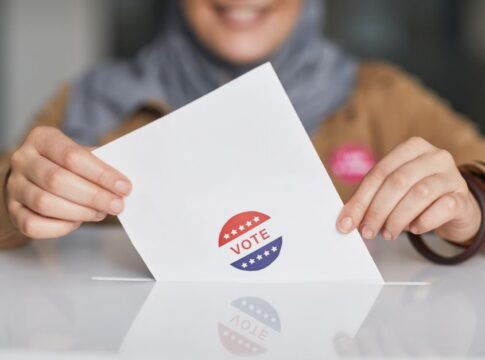
Photo: Edmond Dantès / Pexels
By National News Daily Newsroom, Politics Desk — Published November 3, 2026
Table of Contents
- Key Takeaways
- The Background & Context
- Why This Matters
- Reactions & Analysis
- What Happens Next
- Frequently Asked Questions
Americans head to the polls with familiar rituals: campaign signs, debate soundbites, election night coverage. But the real test of democracy doesn’t end when election results decide the winners. What follows—the transition of power, the legislative agenda, the fulfillment of campaign promises—reveals whether those results translate into effective governance or political gridlock.
The mechanics of counting votes and certifying outcomes have become scrutinized as never before. Questions about when final results will be known, how free and fair the process remains, and what newly elected officials will actually accomplish once sworn in now dominate political discourse. For voters, the stakes extend beyond party labels to fundamental questions about representation and accountability.
This election cycle brings those tensions into sharp focus. The period between casting ballots and governing effectively has grown more complex, more contested, and more consequential for the future of American democracy.
Key Takeaways
- Election results decide which candidates assume power, but the transition period and legislative priorities determine how effectively that power serves constituents.
- Vote counting timelines have become a flashpoint, with expectations of immediate results clashing against the reality of careful tabulation processes.
- Legal experts and civil liberties organizations emphasize that free and fair elections require both secure voting procedures and public confidence in outcomes.
- The gap between campaign promises and legislative action often defines a politician’s tenure more than their electoral victory margin.
- Congressional composition following elections shapes the entire policy landscape, affecting everything from judicial appointments to budget negotiations.
- Understanding what happens after election night matters as much to civic engagement as understanding what happens before it.
The Background & Context
American elections have always involved a lag between voting and governing. The Constitution itself builds in transition periods: newly elected representatives take office in January, months after November elections. This design intended to provide stability and orderly transfers of authority.
But modern politics has transformed these transition periods into battlegrounds. The 2000 presidential election stretched for weeks as Florida recounts determined the outcome. More recently, the 2020 election sparked unprecedented challenges to vote certification processes, raising questions that persist today about election integrity and public trust.
Beyond presidential contests, congressional and state elections determine the balance of power that shapes legislation. A Senate majority can confirm or block judicial nominees. A House majority controls committee assignments and floor votes. State legislatures redraw district maps and set voting rules. These downstream effects of election results decide policy outcomes for years.
The campaign trail promises one thing. Capitol Hill delivers another. Voters elect candidates based on platforms and pledges, but governing requires coalition-building, compromise, and navigating institutional constraints. The distance between electoral mandate and legislative reality often disappoints constituents across the political spectrum.
Academic institutions have begun examining these dynamics more closely. Law schools teach courses on election law and democratic institutions. Civil liberties organizations monitor voting access and fairness. The infrastructure around elections—from poll worker training to ballot design—has become a subject of intense study and reform efforts.
Why This Matters
For ordinary Americans, the distinction between winning elections and wielding power effectively carries real consequences. A candidate who campaigns on healthcare reform but cannot pass legislation leaves constituents without the changes they voted for. A party that gains congressional control but fractures over internal divisions may accomplish less than a unified minority.
Economic policy, foreign relations, judicial appointments, and regulatory decisions all flow from election outcomes. But they flow through a complex system of checks, balances, and political calculations. Understanding this process helps citizens hold elected officials accountable not just for what they promise, but for what they deliver.
The timing of election results also matters practically. Close races may take days or weeks to resolve as mail ballots arrive and provisional votes get verified. This isn’t a flaw—it’s a feature of careful, accurate counting. Yet public impatience and misinformation can undermine confidence in legitimate outcomes.
Free and fair elections require both secure procedures and public acceptance. When large segments of the population doubt results, the legitimacy of governance itself comes into question. This erosion of trust threatens democratic stability more than any single policy dispute.
State and local races often receive less attention than federal contests, yet they determine education funding, infrastructure investment, and criminal justice policy. School boards, county commissions, and state legislatures shape daily life in ways that federal officials cannot. Election results at every level deserve scrutiny for how power gets exercised afterward.
Reactions & Analysis
Election law experts have emphasized the importance of patience and process. Accurate vote counting takes time, particularly in jurisdictions that accept mail ballots postmarked by election day. Reports indicate that expectations for immediate results on election night often clash with the reality that complete tabulation may extend for days.
Civil liberties advocates have focused attention on ensuring elections remain both free and fair. Legal scholars teaching at universities across the country have examined the institutional safeguards that protect democratic processes while identifying vulnerabilities that require reform.
Political analysts note that the transition from campaigning to governing presents challenges for winners across the ideological spectrum. Campaign rhetoric rarely survives contact with legislative reality. Coalition management, procedural rules, and opposition resistance all constrain what newly elected officials can accomplish.
Federal observers have pointed out that election results decide the initial distribution of power, but subsequent actions determine its use. A sweeping electoral victory can dissipate quickly if the winning party cannot translate votes into policy achievements. Conversely, a narrow majority can punch above its weight through strategic focus and discipline.
The public response to these dynamics varies. Some voters disengage after election day, viewing their civic duty as complete once ballots are cast. Others maintain pressure on elected officials through constituent contacts, town halls, and advocacy. This ongoing engagement—or lack thereof—shapes how accountable representatives remain to their campaign commitments.
What Happens Next
The immediate aftermath of any election involves certification processes at county, state, and federal levels. These administrative steps, once routine, now attract intense scrutiny and occasional resistance. Ensuring these processes proceed smoothly and transparently remains essential to democratic legitimacy.
Once officials take office, the legislative calendar begins. Committee assignments get distributed. Leadership positions get filled. Priorities get set. These early organizational decisions often determine what legislation reaches the floor and what dies in committee. Power structures within Congress matter as much as raw vote counts.
Budget negotiations typically dominate the first year of any new Congress. Spending bills must pass to keep government operating. These must-pass measures become vehicles for other policy priorities, creating opportunities for both compromise and confrontation. How elected officials navigate these negotiations reveals their governing philosophy and political skill.
Judicial appointments provide another arena where election results translate into long-term consequences. Federal judges serve lifetime appointments, extending the impact of electoral victories decades into the future. Senate control determines confirmation prospects, making down-ballot races crucial for shaping the judiciary.
Looking forward, the relationship between elections and governance will likely remain contentious. Reforms to voting procedures, campaign finance, and legislative rules all face fierce debate. The fundamental question persists: can American democracy produce both legitimate election results and effective governance that serves the public interest?
Frequently Asked Questions
Why do election results sometimes take days or weeks to finalize?
Vote counting requires careful verification of ballots, particularly mail-in votes that arrive near election day. Election officials must confirm voter eligibility, match signatures, and resolve provisional ballots. This thorough process ensures accuracy, though it may delay final results. Close races naturally take longer to call as small vote margins require complete counts before media organizations can project winners.
How do election results affect legislation and policy?
Election outcomes determine party control of legislative chambers, which shapes committee leadership, floor schedules, and voting coalitions. Majority parties set the agenda and control which bills receive consideration. However, institutional rules like the Senate filibuster, presidential vetoes, and judicial review all constrain what electoral winners can accomplish. Translating votes into policy requires more than winning elections—it demands coalition-building and strategic compromise.
What makes an election “free and fair”?
Free and fair elections require accessible voting, accurate counting, transparent procedures, and public confidence in results. Voters must be able to cast ballots without intimidation or undue barriers. Election officials must count votes accurately and certify legitimate outcomes. The process must be transparent enough that losers and their supporters accept results. Legal safeguards, professional election administration, and nonpartisan oversight all contribute to election integrity.
Why does the transition period between elections and taking office matter?
Transition periods allow winners to prepare for governance by staffing offices, developing legislative strategies, and building coalitions. This time also permits orderly transfers of power and briefings on ongoing issues. However, extended transitions can create policy uncertainty and delay responses to emerging challenges. How elected officials use this period often predicts their effectiveness once in office.
Democracy doesn’t end on election night. It begins there. The votes cast and counted represent citizen judgment on who should hold power. But the months and years that follow reveal whether that power serves the public good or partisan interests. Americans deserve elected officials who govern as seriously as they campaign—and citizens bear responsibility for holding them to that standard long after the last ballot is tallied.