
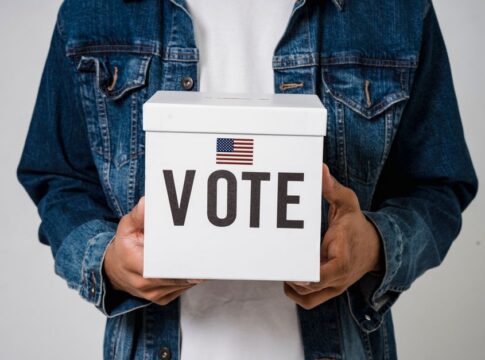
Photo: Sora Shimazaki / Pexels
By Daily American Press Newsroom, Politics Desk — Published November 1, 2026
Table of Contents
- Key Takeaways
- The Background & Context
- Why This Matters
- Reactions & Analysis
- What Happens Next
- Frequently Asked Questions
Americans eager to learn the outcome of pivotal congressional races face a familiar question every two years: when, exactly, will we know who won? The answer for midterm election results is rarely simple. Unlike presidential contests that dominate the news cycle for months, midterms often hinge on a patchwork of state-level races where vote-counting speeds, mail-in ballot rules, and razor-thin margins can stretch the suspense from hours into days—or even weeks.
The 2026 midterm elections will test control of Congress at a moment when legislation on everything from healthcare to immigration hangs in the balance. Voters will decide all 435 House seats and roughly one-third of the Senate, shaping the political landscape for the remainder of the presidential term. Understanding when results arrive, which races to watch, and why some districts report faster than others is essential for anyone following American politics and campaign outcomes.
Timing varies dramatically by state and locality. Some precincts report within hours of polls closing. Others, particularly those processing high volumes of mail ballots or facing close margins that trigger recounts, may not declare winners until well after Election Day. The mechanics of democracy, it turns out, don’t run on a universal clock.
Key Takeaways
- Midterm election results timing depends heavily on state-specific vote-counting rules, mail-in ballot procedures, and the competitiveness of individual races.
- Polls close at different times across the nation, with East Coast states reporting first and West Coast tallies arriving hours later, creating a rolling wave of results throughout the night.
- Close congressional races—especially those determining control of the House or Senate—may require days or weeks to certify as officials count provisional and mail-in ballots.
- Key congressional races will be closely watched on election night, as a handful of competitive districts and Senate seats often determine which party controls the legislative agenda.
- Election Day 2026 falls on the first Tuesday after the first Monday in November, maintaining the traditional schedule that governs American elections.
- Polling hours vary by state, with some opening as early as 6 a.m. local time and others closing as late as 9 p.m., complicating any single national “results time.”
The Background & Context
Midterm elections occupy a unique place in the American political calendar. Held halfway through a presidential term, they serve as both referendum and reset button. Voters express satisfaction or frustration with the sitting administration while reshaping the balance of power in Congress. Historically, the president’s party tends to lose seats, a pattern that turns midterms into high-stakes battles for legislative control.
The mechanics of counting votes have evolved dramatically over recent election cycles. The expansion of mail-in voting, early voting windows, and same-day registration in many states has made elections more accessible but also more complex to tabulate. States that allow election officials to begin processing mail ballots before Election Day tend to report faster. Those that prohibit “pre-canvassing” face longer waits as workers open, verify, and count potentially millions of envelopes after polls close.
Geography plays a role too. Rural counties with fewer voters often finish counting quickly. Dense urban areas with hundreds of thousands of ballots require more time, even with sophisticated equipment. Add provisional ballots—cast by voters whose eligibility must be verified—and overseas military ballots, which can arrive days after Election Day, and the timeline stretches further.
The 2026 cycle arrives at a moment of intense political polarization. Control of Congress determines not just which legislation advances but also investigative powers, budget priorities, and the confirmation of judicial nominees. Small shifts in a handful of districts can flip the entire House. A single Senate seat can break a tie. That’s why certain congressional races draw national attention and campaign spending far beyond what local issues alone would justify.
Why This Matters
For American citizens, knowing when results will arrive is more than a matter of curiosity. It shapes expectations and reduces the potential for misinformation. When counts take days, impatient observers sometimes mistake the slow pace for irregularity. In reality, thoroughness and accuracy require time, especially in close contests.
The stakes extend to governance itself. A swift, clear result allows the winning party to claim a mandate and begin planning its legislative agenda. Prolonged uncertainty, by contrast, can stall policy initiatives, spook financial markets, and deepen public skepticism about the electoral process. Voters deserve to understand why some races are called within hours while others remain too close to call for days.
Campaign strategies hinge on these timelines as well. Candidates and their teams monitor early returns to gauge turnout in key precincts, adjusting get-out-the-vote efforts in real time where polls remain open. Media organizations, using sophisticated models and exit polls, project winners in uncompetitive races almost immediately while holding off on close contests until the data is conclusive.
For taxpayers, the cost of elections—from poll worker salaries to ballot printing to cybersecurity measures—is significant. Understanding the process helps citizens evaluate whether their local election offices are adequately funded and staffed. Rushed counts invite errors. Underfunded offices struggle to hire enough workers. The balance between speed and accuracy is delicate, and voters have a stake in getting it right.
Reactions & Analysis
Election officials across the country emphasize patience. They note that the goal is not to report the fastest results but the most accurate ones. In states with robust mail-in voting, such as those on the West Coast, officials have refined their processes over multiple cycles, often delivering comprehensive results within a day or two despite high mail ballot volumes.
Political analysts point to specific congressional races that will serve as bellwethers on election night. Competitive districts in swing states often reflect broader national trends. If one party sweeps several of these early-reporting races, it can signal a wave election. Conversely, if results split evenly, a long night—or week—of counting may lie ahead.
Media coverage of election night has adapted to the realities of modern vote counting. Networks now routinely caution viewers that early leads can evaporate as mail ballots are tallied, a phenomenon sometimes called the “blue shift” or “red shift” depending on which party’s voters prefer mail-in options. Educating the public about these patterns has become a priority to prevent premature claims of victory or unfounded allegations of fraud.
Civic organizations stress the importance of transparency. Many states now offer online dashboards where citizens can track ballot counts in real time, broken down by precinct and ballot type. This openness helps build trust, allowing anyone with an internet connection to see the same data election officials use to project outcomes.
What Happens Next
As the 2026 midterms approach, expect heightened focus on the logistics of vote counting. State legislatures may continue debating whether to allow early processing of mail ballots, a change that could accelerate results in key battlegrounds. Election officials will conduct tabletop exercises and stress tests to prepare for high turnout and potential technical glitches.
Campaigns will invest heavily in data analytics, seeking any edge in predicting which precincts report first and what those early numbers reveal about the overall race. The interplay between early in-person votes, Election Day turnout, and mail-in ballots creates a complex puzzle that both parties will try to solve in real time.
Legal challenges remain a possibility, particularly in races decided by narrow margins. Recounts, signature verification disputes, and provisional ballot adjudications can extend the timeline for final certification. In some states, the official result isn’t declared until weeks after Election Day, once every ballot has been reviewed and every legal challenge resolved.
Looking further ahead, the outcome of the 2026 midterms will set the stage for the 2028 presidential race. A strong performance by either party can build momentum, energize donors, and shape the national political narrative. Congressional control determines whether a president can advance ambitious legislation or faces gridlock and investigations. The results announced in the hours and days after the polls close will reverberate for years.
Frequently Asked Questions
What time do polls close on Election Day?
Polling hours vary by state, with some locations opening as early as 6 a.m. and closing anywhere from 7 p.m. to 9 p.m. local time. Eastern states typically close first, with results beginning to trickle in during prime time on the East Coast. Western states close hours later, meaning complete national results often aren’t available until late evening or early morning.
Why do some states take longer to count votes than others?
Several factors influence counting speed. States that allow election workers to process mail-in ballots before Election Day report faster. Those requiring workers to wait until polls close face delays. High volumes of mail ballots, provisional ballots, and close margins all extend the timeline. Additionally, states with more rigorous verification procedures prioritize accuracy over speed, which can add hours or days to the count.
Which congressional races are considered key to watch?
Competitive districts in swing states often determine control of the House, while a handful of Senate seats can flip the upper chamber. Races in suburban areas that have trended toward one party or the other in recent cycles, as well as open seats where no incumbent is running, tend to draw the most attention. These contests often feature heavy campaign spending and serve as indicators of broader national sentiment.
When will we know which party controls Congress?
If one party wins decisively, control may be clear within hours of polls closing. In closer elections, especially when the House or Senate majority hinges on a few undecided races, the answer may not arrive for days. Provisional ballots, mail-in votes, and potential recounts can delay final certification. Patience is essential; accurate results matter more than fast ones.
Democracy is a process, not a snapshot. The wait for midterm election results tests the patience of candidates, campaigns, and citizens alike. But that wait reflects the care and rigor required to ensure every eligible vote is counted. As Americans prepare for the next midterm cycle, understanding the timeline—and the reasons behind it—helps build confidence in the system and appreciation for the thousands of election workers who make it all possible.